
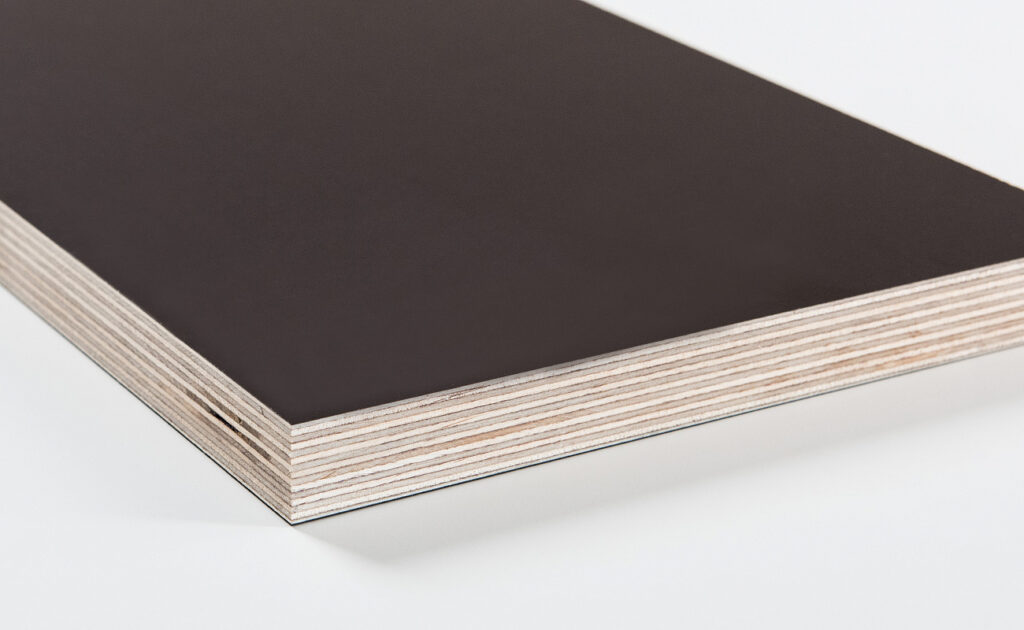
Large-scale commercial and civil construction projects require formwork systems that can support heavy concrete loads while keeping precise dimensions. However, traditional timber formwork often falls short in consistency, strength, and durability, leading to delays, safety issues, and quality problems on sites such as multi-story hospitals or infrastructure retention tanks.
Laminated Veneer Lumber (LVL) has emerged as the engineered wood solution addressing these challenges. As outlined in 5 Formwork LVL solutions for large-scale commercial and civil construction, this manufactured product bonds thin wood veneers with structural adhesives, creating formwork components with predictable strength characteristics and superior moisture resistance compared to conventional timber.
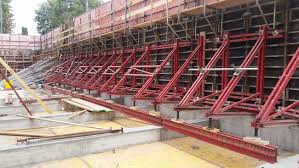
This guide explores 5 formwork LVL solutions for large-scale commercial and civil construction projects:
- Specialized bearer and joist systems
- Edge board and boxing applications
- Scaffold plank alternatives
- Complementary formply products
- Essential accessories for system integration
Each solution meets Australian standards (AS/NZS 4357) and EWPAA certification requirements, delivering the performance reliability that large-scale construction demands.
What is Laminated Veneer Lumber (LVL) and Why is it Ideal for Formwork?
Laminated veneer lumber is an engineered wood product created by bonding multiple thin layers of wood veneers together with adhesive under heat and pressure. The grain of each veneer layer runs parallel to the length of the board, creating a structural material that eliminates the natural inconsistencies found in solid timber.
Key Properties That Define LVL Performance
The manufacturing process of laminated veneer lumber produces several characteristics that distinguish it from conventional timber:
- Consistent strength: Each sheet maintains uniform load-bearing capacity throughout its length and width
- Dimensional stability: Minimal warping, twisting, or shrinking during exposure to site conditions
- Predictable performance: Engineering calculations remain accurate due to standardized material properties
- Enhanced moisture resistance: Factory-applied coatings and treatment options protect against water damage
LVL Benefits Over Traditional Timber Formwork
Traditional timber formwork presents challenges that engineered wood formwork solutions address directly. Solid timber contains natural defects like knots, splits, and grain irregularities that create weak points and unpredictable behavior under load. LVL eliminates these concerns through its layered construction.
The strength-to-weight ratio of LVL exceeds that of conventional timber by significant margins. A single worker can handle longer spans and heavier loads with less physical strain, reducing labor costs and installation time. The straightness of LVL components means concrete surfaces require less finishing work after form removal.
Compliance and Certification Standards
Australian construction projects demand adherence to AS/NZS 4357, the governing standard for structural LVL products. Materials certified by the Engineered Wood Products Association of Australia (EWPAA) carry third-party verification of quality and performance characteristics. This certification provides builders with confidence in load calculations, span tables, and long-term durability claims—documentation that traditional timber cannot consistently provide.
1. Why truFORM LVL is the Top Choice for Bearers and Joists
truFORM LVL is designed specifically for bearer and joist applications in large-scale construction, making it an essential part of formwork systems. Manufactured by Carter Holt Harvey, this structural laminated veneer lumber is built to withstand the demands of commercial and civil projects.
One of the standout features of truFORM LVL is its bright orange paint. Not only does it protect the material from moisture damage during storage and construction, but it also makes it easy to identify on-site. The color-coding system extends to the ends of the boards, allowing workers to quickly differentiate truFORM from other materials even in busy construction environments.
Key Features That Set truFORM Apart
Here are some key features that make truFORM LVL stand out:
- Lightweight construction: This feature reduces strain on manual handling and speeds up the assembly process of formwork.
- Exceptional straightness: Unlike traditional timber, truFORM LVL does not warp or twist, ensuring a more reliable structure.
- Uniform dimensions: The consistent size of each board ensures that loads are distributed evenly across the entire formwork system.
- Moisture-resistant coating: This coating helps maintain the structural integrity of truFORM LVL even when exposed to concrete curing processes.
Performance Benefits for Project Teams
The precise manufacturing process used to create truFORM LVL brings several benefits to project teams:
- Labor savings: Installation crews can work more efficiently with materials that fit together perfectly without any need for adjustments.
- Reduced material costs: The superior strength-to-weight ratio of truFORM LVL means that fewer bearers and joists are required to support the same loads, resulting in cost savings.
- Faster installation time: With fewer materials needed, installation crews can complete their work more quickly.
- Improved concrete finish quality: The uniform surface of truFORM LVL prevents deflection and ensures precise alignment during the pouring and curing phases, leading to better-quality finishes.
Overall, these benefits contribute to smoother operations on-site and higher-quality results in finished structures.
2. How Does edgeFORM LVL Enhance Concrete Edge Boards and Boxing?
edgeFORM LVL transforms concrete formwork framing by delivering precision and durability where edges and boxing demand exacting standards. Manufactured by Carter Holt Harvey, this specialized engineered wood product features a distinctive red-painted surface that serves dual purposes: protecting against moisture penetration during concrete pours and enabling instant visual identification on busy construction sites. The arised surface treatment creates smooth, clean edges that translate directly into superior concrete finishes.
Advantages Over Traditional Timber
Traditional timber edge boards often suffer from warping, twisting, and dimensional inconsistencies that compromise concrete quality and slow down installation crews. edgeFORM LVL eliminates these frustrations through its engineered uniformity—every piece maintains consistent dimensions and straightness throughout its length. This predictability allows formwork teams to work faster, reducing labor hours and accelerating project timelines.
Benefits for Workers
The lightweight nature of edgeFORM LVL compared to conventional hardwood alternatives reduces physical strain on workers while maintaining structural integrity. Crews can handle longer lengths with fewer personnel, improving site safety and productivity. When used in boxing applications for columns, lift cores, and vertical concrete elements, the material’s stability ensures accurate dimensional control across multiple concrete pours.
Consistency for Large Projects
For large-scale commercial and civil construction projects requiring repetitive formwork cycles, edgeFORM LVL delivers the consistency needed to maintain quality standards from foundation to completion. Its moisture-resistant properties extend service life, making it a cost-effective solution for projects spanning extended construction periods.
3. Why Are Scaffold Plank LVLs Like Hyplank Essential for Complex Scaffolding Needs?
Scaffold plank LVL products like Hyplank solve critical problems when modular scaffolding systems can’t adapt to irregular site shapes. Standard metal or timber planks often fail to accommodate non-standard scaffold widths, curved structures, or unique architectural features common in large-scale commercial projects.
Challenges with Traditional Timber Scaffolding Planks
Traditional timber scaffolding planks present multiple challenges:
- Inconsistent dimensions due to natural wood variations
- Heavy weight that increases manual handling risks
- Moisture absorption leading to warping and structural weakness
- Limited lifespan with frequent replacement needs
How Hyplank Scaffold Planks Overcome These Limitations
Hyplank scaffold planks address these limitations through engineered precision. The laminated veneer construction delivers exceptional toughness while maintaining a lightweight profile that reduces worker fatigue during installation and repositioning. Each plank undergoes EWPAA certification, ensuring compliance with structural requirements for load-bearing applications.
The corrosion resistance of Hyplank eliminates the rust concerns associated with metal alternatives, particularly in coastal construction environments or projects with extended exposure periods. End-sealing with wax emulsion creates a moisture barrier that prevents water entry through vulnerable end grain, extending service life significantly beyond conventional timber options.
Sourced from sustainable plantation pine, these modular scaffolding alternatives provide dimensional consistency that allows contractors to pre-plan scaffold configurations with confidence. The uniform strength characteristics across every plank eliminate the need for individual piece inspection, streamlining site logistics and reducing installation time on complex civil infrastructure projects.
4. How Do Armourform Formply Products Work Together with LVL Formwork Systems?
Armourform Formply works perfectly with LVL bearers and joists to create complete formwork systems for large concrete pours. This plywood-based formply is the main surface that comes into contact with wet concrete, while the LVL components provide the support structure underneath.
The Benefits of Using Armourform Formply with LVL
When these materials are used together, they perform better in various formwork applications:
- Armourform’s high-quality hardwood construction offers an incredibly smooth surface for architectural-grade concrete finishes.
- LVL bearers like truFORM provide the stability and load-bearing capacity needed to support the formply panels under pressure.
Cost-Effectiveness of Reusable Formwork Components
Reusable formwork components become financially viable when both materials are combined:
- Armourform panels can be reused for multiple concrete pours if properly maintained.
- LVL bearers retain their structural integrity even after being used repeatedly.
- This combination helps reduce material waste and lowers project costs over time.
Moisture Resistance for Wet Concrete Environments
The moisture-resistant properties of both products ensure they work well together in wet concrete conditions. Armourform’s sealed edges prevent water from getting in and causing damage, while painted LVL components resist moisture absorption that could weaken their structural performance.
Tailored Solutions for Different Formwork Needs
This integrated approach allows contractors to choose the right material for each part of the formwork—using plywood where surface quality is most important and LVL where strength and consistency are critical. The outcome is a balanced system that enhances both concrete finish quality and formwork durability across commercial towers, parking structures, and civil infrastructure projects.
Additionally, it’s worth noting that overlaid plywood can offer enhanced durability and moisture resistance, making it an excellent choice for certain applications within this integrated system.
5. What Role Do Associated Accessories Play in Optimizing LVL Formwork Performance?
Formwork accessories are essential in maximizing the effectiveness of LVL systems. They transform these systems from standalone parts into comprehensive solutions that can be used for various construction projects.
These supporting elements play a crucial role in ensuring:
- Structural integrity: Accessories like shoring systems and mechanical connections provide the necessary support and stability to withstand the forces exerted by concrete during pouring and curing.
- Precise alignment: Fillets and other accessories help maintain accurate positioning and alignment of formwork components, resulting in clean and professional finishes.
- Efficient assembly: With purpose-designed fasteners and adjustable shoring components, formwork assemblies can be quickly and securely put together, saving time on site.
Let’s explore some of the key accessories that contribute to optimizing LVL formwork performance:
1. Fillets
Fillets are triangular timber pieces used to create smooth corners and edges in concrete pours. By eliminating sharp angles, they not only enhance the visual appeal of the structure but also ensure better load distribution.
2. Nails and Steel Strapping
Nails and steel strapping serve as the primary means of connecting different parts of the formwork assembly. These mechanical connections must be strong enough to resist pull-through forces caused by the weight of wet concrete.
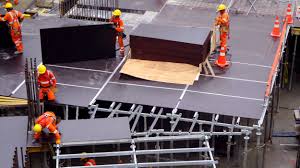
3. Shoring Systems
Shoring systems consist of vertical props, jacks, and braces that provide temporary support to LVL formwork until the concrete has fully cured. This support is particularly important for large spans or areas with heavy loads.
4. Conduits
Conduits are tubes or pipes embedded within formwork frameworks to accommodate electrical, plumbing, or communication services. By integrating these services into the concrete elements during construction, costly retrofitting work can be avoided later on.
The combination of these accessories with 5 Formwork LVL Solutions for Large-Scale Commercial and Civil Construction creates a cohesive system where each component enhances the performance of others. This synergy leads to efficiency gains that cannot be achieved by individual parts working alone.
Conclusion
These 5 Formwork LVL Solutions for Large-Scale Commercial and Civil Construction are a significant improvement in how the industry deals with concrete formwork challenges. Each solution—from truFORM bearers to edgeFORM boxing, Hyplank scaffold planks, complementary Armourform products, and essential accessories—addresses specific project needs while ensuring consistent quality and performance.
The benefits for commercial construction go beyond just easier installation. Projects save on labor costs with lighter materials, quicker assembly times, and safer working conditions. The engineered precision of LVL formwork solutions eliminates many uncertainties that come with traditional timber, resulting in better concrete finishes that meet strict architectural standards.
Large-scale projects require dependability at every step. These LVL formwork solutions provide reliable performance in various settings, such as hospital complexes and civil infrastructure. Their compliance with AS/NZS 4357 standards and EWPAA certification gives project managers confidence that formwork systems will work reliably throughout construction phases, supporting both tight schedules and high-quality demands that define modern commercial and civil projects.
For more detail click here: Concrete Plywood Options Designed for Heavy-Duty Construction Applications