
What Makes Glebe’s Property Market Unique?
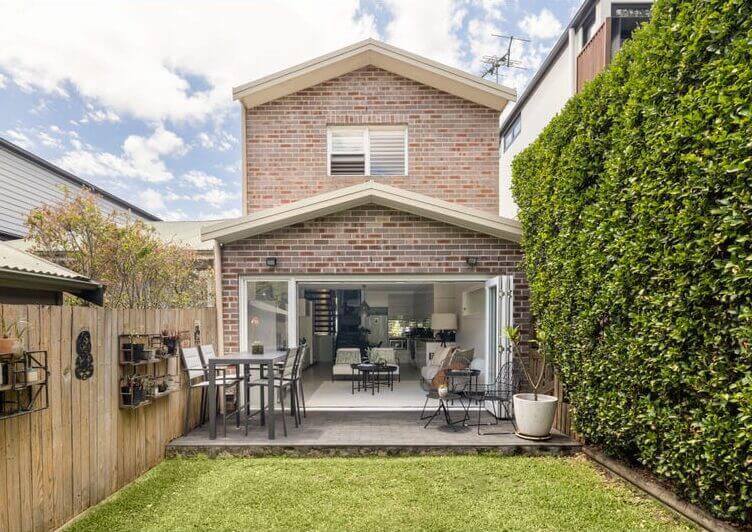
Glebe’s property market is one of the most competitive areas in Sydney. It has a mix of old heritage-listed homes and modern apartments, which creates a limited supply of houses and leads to intense bidding wars at auctions.
Who Is Buying in Glebe?
The high demand for properties in Glebe comes from various groups of buyers, and buyers advocacy Glebe services play a crucial role in helping them navigate this competitive market:
- Young professionals looking for walkable urban lifestyles
- Families interested in good schools and parks
- Students and academics near the University of Sydney
- Investors aiming for steady rental income
How Does Location Affect Property Prices?
The value of properties in Glebe can vary significantly from one street to another. Homes on tree-lined streets near Jubilee Park tend to sell for higher prices, while houses closer to busy Parramatta Road may have different valuations even though they are only a few blocks apart.
The Impact of Heritage Restrictions
Heritage restrictions add complexity to Glebe’s property market. Many homes are subject to conservation area controls, which limit renovation options and affect resale potential. Buyers need specialized knowledge to understand how these heritage constraints impact value and which properties offer flexibility. For instance, researching your heritage property can provide valuable insights into its potential.
The Role of Commercial Areas
Glebe Point Road is the main commercial street in the suburb, filled with cafes, bookshops, and boutiques that make it more appealing for residents. The proximity to this lively area directly affects property prices, with homes within walking distance selling for 10-15% more compared to locations further away.
The Appeal of Waterfront Access and Markets
Blackwattle Bay’s waterfront access and the weekly Glebe Markets create a desirable lifestyle that attracts buyers. This consistent demand means that auction clearance rates in Glebe are usually higher than the average in Inner West Sydney, making strategic bidding crucial for success.
Why Insider Knowledge Matters
The competitive nature of Glebe’s property market means that having insider knowledge about local auction dynamics is essential for anyone serious about buying a home here. Without these strategies, buyers often find themselves outbid by competitors who have a better understanding of the auction process.
How Do Local Buyers Advocates Enhance Auction Success in Glebe?
Local buyers advocates increase auction success rates through specialized knowledge of Glebe’s micro-market conditions and established relationships with area agents. Their expertise translates into tangible advantages that independent buyers struggle to replicate.
Deep Understanding of Street-by-Street Pricing Variations
Glebe’s property values shift dramatically between neighboring streets. A buyers advocate recognizes that a terrace on Glebe Point Road commands different pricing than one on Hereford Street, despite similar features. They track recent sales data across specific pockets—from the waterfront properties near Blackwattle Bay to the heritage homes near St Johns Road—ensuring clients don’t overpay based on generalized suburb averages.
This granular knowledge extends to understanding which properties face heritage restrictions that limit renovation potential. A Victorian terrace might appear identical to another, yet one could have stringent conservation orders affecting future modifications. Advocates identify these nuances before auction day arrives.
Access to Off-Market Opportunities
Relationships with local agents provide advocates access to properties before public listings appear. These off-market deals reduce competition significantly, sometimes eliminating auction scenarios entirely. When sellers prefer discrete sales, advocates position their clients as serious buyers ready to transact quickly.
The network effect proves particularly valuable in Glebe’s tight-knit real estate community. Agents remember advocates who deliver qualified buyers and smooth transactions, creating preferential treatment for future opportunities.
Independent Valuation and Market Analysis
Advocates conduct comprehensive comparative market analyses that go beyond online estimates. They physically inspect comparable properties, attend open homes, and analyze recent auction results to establish accurate value ranges. This research forms the foundation of bidding strategies.
Their valuations account for Glebe-specific factors:
- Proximity to University of Sydney campus and student rental potential
- Walking distance to Glebe Point Road’s retail strip
- Access to green spaces like Jubilee Park
- Parking availability in a suburb with limited street parking
- Building condition relative to common issues in period homes
Strategic Pre-Auction Positioning
Advocates assess vendor motivation through agent conversations and property marketing timelines. A vendor who has already purchased their next home shows different urgency than one testing market conditions. This intelligence shapes whether to pursue pre-auction offers or wait for auction day
What Are The 4 Proven Auction Strategies Shared by Glebe Buyers Advocacy?
Glebe Buyers Advocacy recommends four battle-tested tactics that consistently deliver results in competitive auction environments. These strategies combine psychological insight with market intelligence to position buyers for success.
Strategy 1: Make a Strong Opening Bid Close to Your Maximum
Starting with a bold bid near your upper limit immediately signals serious intent to vendors and competing bidders. This approach works particularly well in Glebe’s tight market where properties rarely languish unsold. Click here to get about: First-Time buyer’s FAQs: answered by a St Peters property buyers agent
A strong opening bid—typically within 5-10% of your maximum price—creates psychological pressure on other participants. Competitors who planned incremental bidding strategies often reconsider their approach when confronted with aggressive early positioning.
Benefits of this strategy include:
- Discouraging casual bidders who lack conviction
- Establishing yourself as the dominant buyer
- Reducing the total number of bids required
- Shortening auction duration, which limits time for competitors to reconsider
This tactic proves especially effective for heritage terraces along Glebe Point Road, where emotional attachment drives many buyers. A commanding first bid can deflate the confidence of those bidding on sentiment rather than solid financial planning.
Strategy 2: Deploy Odd-Numbered Bids to Disrupt Patterns
Using unconventional bid increments like $3,700 instead of $5,000 breaks the rhythm competitors expect. This technique introduces uncertainty into what should feel like a predictable process.
Most bidders default to round numbers—$5,000, $10,000, or $20,000 increments. When you counter with $487,000 instead of $485,000, it forces others to recalculate their remaining capacity rather than operating on autopilot.
The psychological impact extends beyond simple math. Odd numbers suggest precise valuation work and intimate market knowledge. Other bidders may assume you’ve conducted detailed analysis that justifies your specific figures.
Key applications for odd-numbered bidding:
- Breaking momentum when bidding becomes rapid-fire
- Signaling professional representation to the auctioneer
- Creating doubt about how much higher you’re willing to go
- Maintaining control when multiple parties compete aggressively
How Do Buyers Advocates Help Navigate Auction Costs and Negotiation Tactics?
Buyers advocates provide detailed cost breakdowns before auction day, ensuring clients understand the full financial picture beyond the hammer price. They calculate stamp duty obligations, conveyancing fees, building inspection costs, and potential strata levies specific to Glebe properties. This transparency prevents buyers from stretching their budget too thin and leaving insufficient funds for settlement expenses.
Independent valuations form the foundation of cost navigation. Advocates conduct comparative market analyses using recent sales data from similar Glebe properties, accounting for variables like street location, heritage overlays, and property condition. A Victorian terrace on Glebe Point Road commands different pricing than a similar home two streets back, and advocates quantify these differences precisely.
Pre-Auction Financial Preparation
The financial groundwork begins weeks before auction day:
- Budget ceiling establishment based on genuine market value rather than emotional attachment
- Finance pre-approval verification to confirm borrowing capacity matches bidding intentions
- Reserve price estimation through agent relationships and vendor circumstance research
- Contingency fund allocation for unexpected costs like heritage restoration requirements
Strategic Negotiation Approaches
Pre-emptive offers represent a powerful negotiation tool when Glebe Buyers Advocacy identifies motivated vendors. Submitting an attractive offer before auction can secure properties at competitive prices while eliminating auction day competition. This tactic works particularly well when vendors face time pressures or prefer transaction certainty over potential auction premiums.
Conditional contracts provide another negotiation avenue. Advocates structure offers with building inspection clauses or finance conditions that protect buyers while maintaining deal attractiveness. The key lies in balancing buyer protection with vendor appeal—too many conditions kill deals, while none creates unacceptable risk.
Vendor Motivation Assessment
Understanding why sellers are moving shapes negotiation strategy. Advocates research vendor circumstances through agent conversations, property marketing duration, and price adjustment history. A vendor relocating interstate for work responds differently to offers than one downsizing without timeline pressure. This intelligence informs whether aggressive bidding or patient negotiation yields better results.
Timing Considerations
The when of making offers matters as much as the what. Late Friday afternoon offers before weekend auctions pressure vendors to make quick decisions. Post-auction offers allow buyers to assess competition dynamics but risk losing out if multiple parties express interest simultaneously.
Why Is Acting Quickly Important During Auction Bidding?
Quick, decisive bidding shows confidence and discourages other buyers from joining the competition. Hesitation signals uncertainty to other bidders and the auctioneer, inviting more competition and potentially driving prices higher than necessary.
Glebe’s competitive property market requires immediate action once you’ve determined your highest bid. Taking a moment to discuss with partners or rethink your position gives other bidders a chance to gain psychological momentum. In the auction room, split-second decisions are crucial, where confidence directly leads to winning outcomes.
Prompt bidding prevents the auction from slowing down, which usually attracts more participants who see pauses as weakness. When you bid without delay, you control the pace of the auction and force competitors to respond to your strategy instead of setting their own rhythm.
The Psychology Behind Quick Bidding
Fast responses create an impression of financial readiness and determination. Other bidders often back off when they sense someone has unlimited capacity or unwavering commitment to securing the property. This psychological advantage becomes especially valuable in Glebe’s tight market where multiple qualified buyers frequently compete for limited inventory.
Delayed responses give competitors time to reassess their positions and potentially increase their budgets. Every second you hesitate allows rival bidders to consult advisors, recalculate finances, or gain confidence from your apparent uncertainty.
Pre-Auction Preparation Enables Speed
Decisive bidding requires thorough preparation before auction day:
- Establish your absolute maximum price through independent valuations and market analysis
- Secure unconditional finance approval to eliminate consultation delays
- Discuss strategy with partners beforehand so everyone agrees on the approach
- Understand the property’s true value relative to comparable Glebe sales
When Glebe Buyers Advocacy prepares clients for auctions, they ensure every decision point has been addressed before the hammer falls. This preparation turns quick bidding from risky impulse into calculated strategy.
Strategic Timing Within Quick Responses
Speed doesn’t mean recklessness. Experienced buyers advocates know when to bid immediately after another offer and when to let a brief moment pass. The key distinction lies in appearing ready rather than desperate—your bids should flow naturally without frantic energy that suggests emotional attachment.