
What is a pest inspection and why does it matter in Sydney?
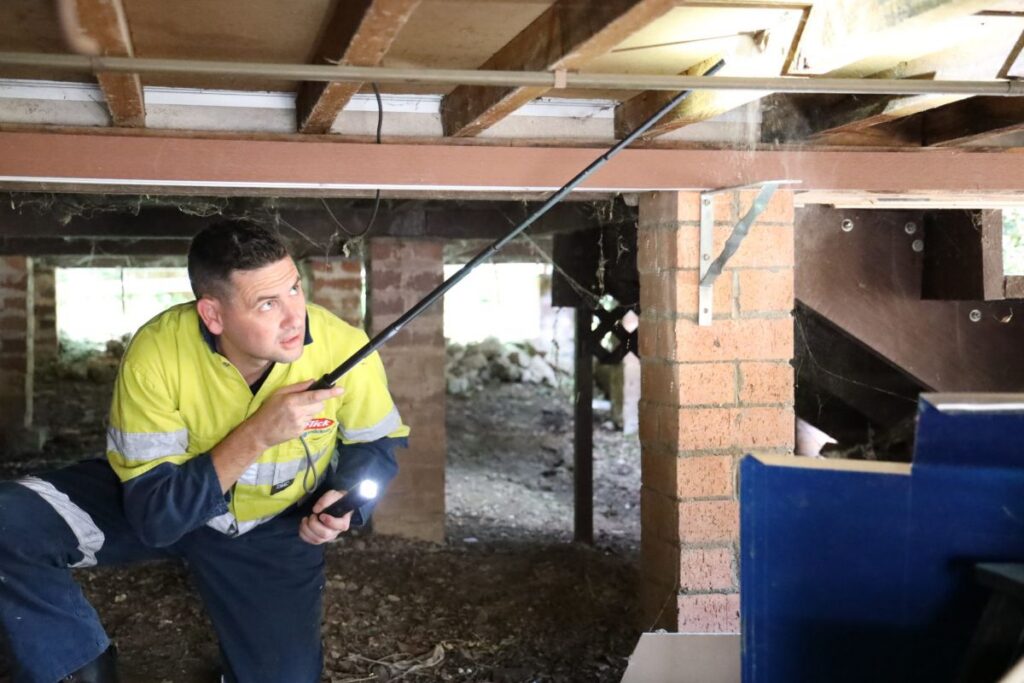
A pest inspection checks for active pests, past activity, and damage that may not be visible during a normal viewing. In Sydney, termites, borers, rodents, cockroaches, and ants can impact safety, comfort, and resale value, so a pest inspection Sydney can prevent costly surprises.
It is most useful when decisions are hard to reverse, like settling on a property, accepting a second-hand sofa, or sealing up walls during a renovation.
When should they book a pest inspection?
They should book as early as possible, ideally before contracts become unconditional, before moving in furniture, and before renovation work begins. A pest inspection Sydney is also smart after heavy rain, long vacancy, or when neighbours report termite activity.
If they are unsure, a simple rule helps: if money is about to be spent on something hard to undo, schedule a pest inspection Sydney first.
What should they check before buying or selling a property?
They should look for signs that suggest hidden pest risk, even if the place looks clean. Before committing, a pest inspection Sydney can confirm whether those signs are harmless or urgent.
A practical pre-inspection checklist:
- Mud tubes on walls, piers, or slabs
- Soft, blistered, or warped timber
- Hollow-sounding skirting boards
- Pin holes and fine powder under timber (borers)
- Droppings in roof voids or cupboards (rodents)
- Live ants trailing to wet areas
- Musty odours and damp patches
- Garden beds piled against walls
- Timber-to-soil contact around fences and steps “
How can they assess second-hand furniture before bringing it indoors?
They should assume used furniture can carry pests, especially bed bugs, cockroaches, and woodborers. A pest inspection Sydney is not always needed for one item, but careful checks reduce risk quickly.
Furniture checklist:
- Inspect seams, folds, and under dust covers with a torch
- Look for black specks, shed skins, eggs, or live insects
- Check timber joints for tiny holes and fresh dust
- Smell for musty or sweet odours in upholstery
- Avoid items stored in garages, sheds, or curbside piles
If they are buying multiple pieces, moving into shared housing, or have had previous infestations, a pest inspection Sydney can be a sensible safeguard.
What building areas do pests most commonly target?
They most often target moisture, shelter, and hidden timber. A pest inspection Sydney typically focuses on subfloors, roof voids, wet areas, and external entry points because that is where early evidence shows up.
High-risk zones include:
- Bathrooms, laundries, kitchens, and hot water units
- Subfloors with poor ventilation
- Roof spaces with nesting materials
- Decks, pergolas, and external stairs
- Window frames, door jambs, and skirting boards
- Garages and wall cavities near garden beds
Other Resources : Subfloor Ground Clearance & Ventilation with STRUCTAflor®
What should they do before starting a renovation?
They should confirm pests are not already active before walls, floors, or ceilings are closed up. A pest inspection Sydney done pre-renovation helps avoid building over damage, which can multiply the repair bill later.
Renovation checklist:
- Fix leaks and improve drainage first
- Remove timber scraps and cellulose debris from site
- Keep weep holes and vents clear
- Avoid timber-to-soil contact for new structures
- Store new timber off the ground and covered
- Ask builders about termite management systems
If they are altering bathrooms, adding decking, or replacing framing, a pest inspection Sydney is particularly important.
How should they read a pest inspection report without feeling overwhelmed?
They should focus on three things: active infestation, conducive conditions, and structural impact. A good pest inspection Sydney report will separate urgent issues from maintenance items and explain access limits.
Key sections to scan:
- Evidence of active termites or timber pests
- Moisture readings and leaking points
- Risk factors like poor subfloor ventilation
- Recommendations and timeframes
- Photos and diagrams showing locations
If a report uses unclear language, they should ask the inspector to explain what must be fixed now versus what should be monitored.
What decisions can they make based on the results?
They can negotiate, plan repairs, or walk away, depending on severity. A pest inspection Sydney can also guide whether treatment is needed immediately or whether prevention and monitoring are enough.
Common next steps:
- Request repairs or a price adjustment before settlement
- Get a specialist quote for termite treatment or timber replacement
- Re-check after repairs with a follow-up inspection
- Improve drainage, ventilation, and storage practices
- Set a routine schedule for future checks
How can they reduce pest risk after the inspection?
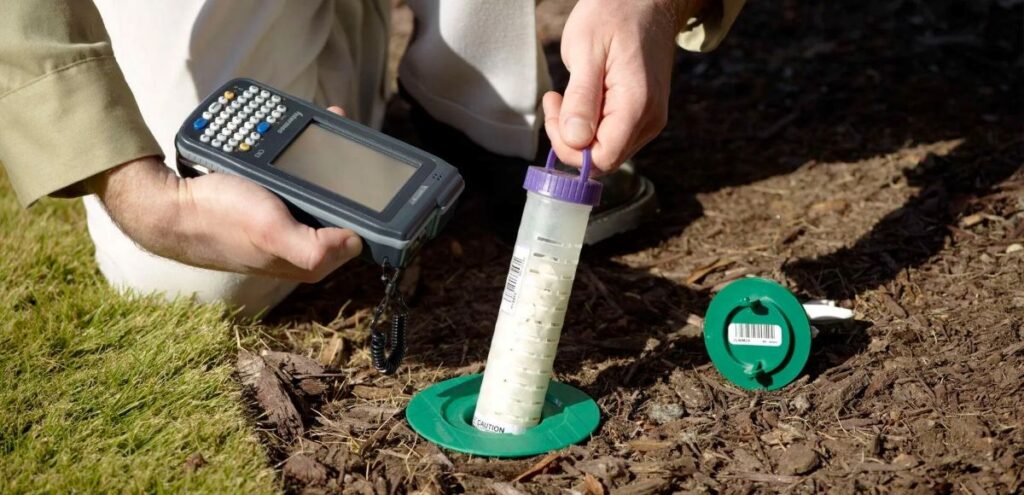
They can reduce risk by managing moisture, sealing entry points, and keeping timber and clutter away from the home’s perimeter. Even after a clean result, a pest inspection Sydney should be part of ongoing maintenance in many suburbs.
Simple habits that help:
- Repair leaks quickly and use extractor fans
- Keep gutters clear and direct water away from walls
- Store firewood off the ground and away from the house
- Trim vegetation so it does not touch the building
- Keep subfloor vents unobstructed
- Avoid over-mulching and piled garden beds near walls
What is the simplest practical checklist they can follow today?
They should check the obvious risk signals, then book professional help when the decision is financially significant. A pest inspection Sydney is most valuable when it protects big purchases, major renovations, and long-term peace of mind.
Quick checklist:
- Look for moisture, timber damage, and droppings
- Inspect subfloor, roof void, wet areas, and external edges
- Treat second-hand furniture as high risk until checked
- Fix drainage and ventilation issues before renovating
- Book a pest inspection Sydney before committing to property or major works
Related : Mouse Control Sydney: How to Protect Wiring, Insulation, and Home Renovation Work