
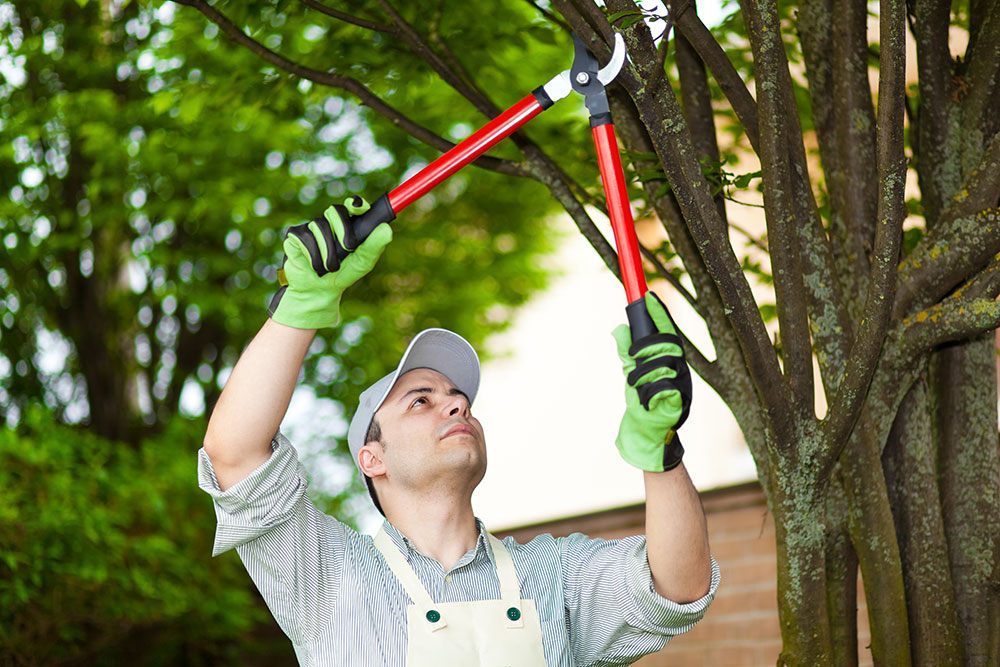
Tree pruning is a crucial aspect of tree care that should not be overlooked. Not only does it ensure the health and vitality of trees, but it also plays a significant role in maintaining safety. Understanding the basics of tree pruning is essential in order to carry out this practice effectively.
Understanding the Basics of Tree Pruning
Tree pruning, simply put, is the process of selectively removing specific branches or parts of a tree. This meticulous task requires knowledge and skill to ensure the best possible outcome for the tree. By selectively removing branches, the overall structure of the tree can be maintained or improved.
Tree pruning is an essential practice that not only enhances the aesthetics of a tree but also plays a crucial role in its overall health and longevity. Proper pruning techniques can help prevent the spread of diseases, improve air circulation within the canopy, and reduce the risk of branch failure during storms.
What is Tree Pruning?
Tree pruning involves the removal of dead, diseased, damaged, or overgrown branches. The goal is to enhance the tree’s natural shape and promote healthy growth. This practice is beneficial for both aesthetic and functional purposes.
Additionally, tree pruning can stimulate the development of new growth, improve fruit production in fruit-bearing trees, and help maintain a safe distance from structures such as buildings and power lines. It is a delicate balance between art and science that requires careful consideration of the tree’s species, age, and specific needs. Learn more about species at https://evolution.berkeley.edu/evolution-101/speciation/defining-a-species/
The Science Behind Tree Pruning
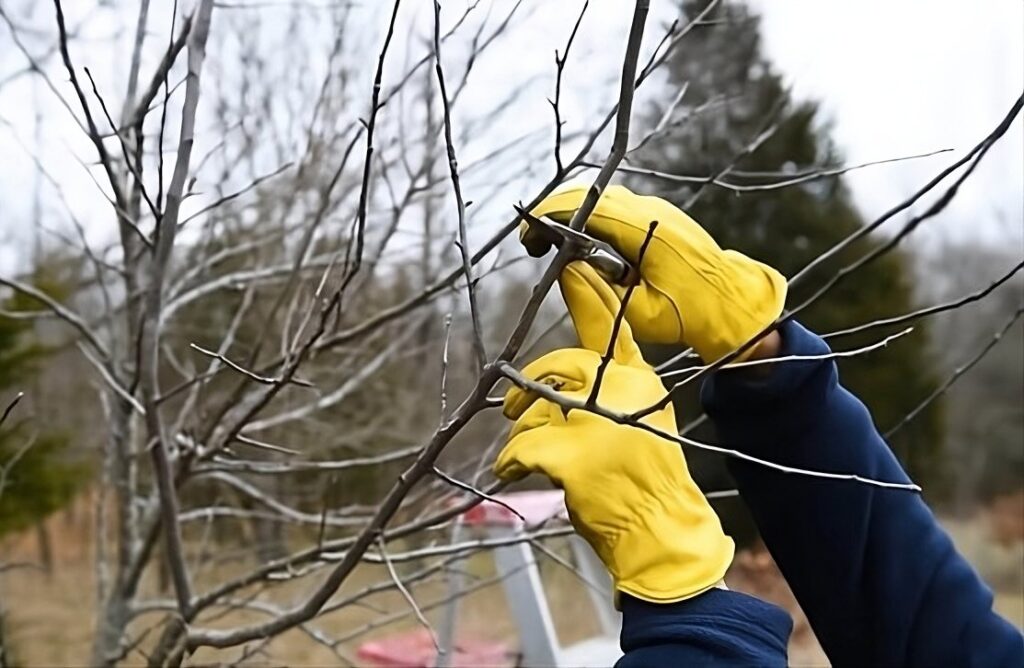
Pruning is not just a random act of cutting branches; it is rooted in science. Understanding the biology of trees is crucial in determining the best approach to pruning. By understanding how trees response to pruning, one can shape and guide their growth in a way that benefits both the tree and its surroundings.
Furthermore, the timing of pruning is critical and varies depending on the type of tree. For example, pruning during dormancy in late winter can help promote vigorous growth in the spring, while pruning during the growing season can be beneficial for shaping and controlling the tree’s size. It is important to consider factors such as the tree’s growth habits, flowering patterns, and susceptibility to pests when planning a pruning regimen. Click here to learn more about pests.
The Importance of Tree Pruning for Tree Health
Proper pruning techniques can greatly contribute to the overall health of trees.
Tree pruning is not just about aesthetics; it plays a crucial role in maintaining the structural integrity of trees. By selectively removing branches that are crossing or rubbing against each other, we can prevent potential damage that may occur during storms or strong winds. This proactive approach to pruning helps to reduce the risk of branches breaking off and causing harm to property or individuals.
Promoting Healthy Growth
Regular pruning helps to remove weak or diseased branches, allowing the tree to allocate its resources more efficiently. By removing these branches, the tree can direct its energy towards healthier growth, resulting in a stronger and more resilient tree.
Furthermore, proper pruning techniques can also promote the development of a well-balanced canopy. By strategically thinning out the crown of the tree, we can improve air circulation and sunlight penetration, creating an optimal environment for photosynthesis. This enhanced canopy structure not only benefits the tree’s health but also enhances its overall appearance.
Preventing Disease and Pest Infestations
Pruning plays a vital role in preventing the spread of diseases and the infestation of pests. By removing infected or infested branches, we can stop the disease or pest from spreading further into the tree and other nearby trees, safeguarding the overall tree population.
In addition to disease prevention, proper pruning practices can also help in early pest detection. By regularly inspecting the branches and foliage during the pruning process, arborists can identify signs of pest infestations and take necessary measures to mitigate the issue before it escalates. This proactive approach not only protects the pruned tree but also helps in preserving the health of the entire ecosystem.
The Role of Tree Pruning in Safety
Tree pruning is not just about aesthetics and tree health; it is also about safety. Proper tree maintenance plays a crucial role in ensuring the well-being of both people and property.
When it comes to safety, one of the key aspects of tree pruning is preventing property damage. Overgrown branches can pose a serious threat to nearby structures, such as buildings, fences, and power lines. In times of strong winds or heavy storms, these branches can break off and cause significant damage. By implementing a proactive pruning strategy, arborists can identify and remove these potentially hazardous branches, reducing the risk of property damage and ensuring the longevity of both trees and structures.
Preventing Property Damage
Overgrown branches can pose a threat to nearby structures, such as buildings, fences, and power lines. Through strategic pruning, these potentially hazardous branches can be removed, reducing the risk of property damage during severe weather events or natural disasters.
Furthermore, beyond property damage, tree pruning also plays a vital role in reducing the risk of injury. Overgrown trees with low-hanging branches can be particularly dangerous, especially in public spaces and parks where people frequently pass by. Pruning these branches not only enhances the aesthetic appeal of the area but also ensures the safety of pedestrians, cyclists, and other individuals. By eliminating the risk of falling branches, tree pruning helps create a secure environment for everyone to enjoy.
Reducing Risk of Injury
Overgrown trees with low-hanging branches can be dangerous, especially in public spaces and parks. Pruning these branches ensures the safety of pedestrians, cyclists, and other individuals passing by, reducing the risk of injury from falling branches.
The Right Time and Method for Tree Pruning
To ensure optimal results, it is essential to know the right time and method for tree pruning.
Tree pruning is not just a task to be done haphazardly; it is an art that requires precision and knowledge. By understanding the intricacies of tree biology and growth patterns, one can effectively enhance the health and aesthetics of trees through proper pruning techniques.
Seasonal Considerations for Tree Pruning
The timing of tree pruning is crucial. Different tree species have different growth patterns and respond better to pruning during specific seasons. For example, deciduous trees are often pruned during their dormant season in late winter to early spring, while spring-flowering trees are best pruned just after they bloom. Understanding these dynamics is key in achieving the desired outcomes and minimizing the stress on the tree.
Furthermore, it is important to consider local climate conditions when scheduling tree pruning. Extreme weather conditions, such as heatwaves or frost, can impact the tree’s ability to recover from pruning stress. By aligning pruning activities with favorable weather conditions, the tree’s recovery process can be optimized.
Different Techniques of Tree Pruning
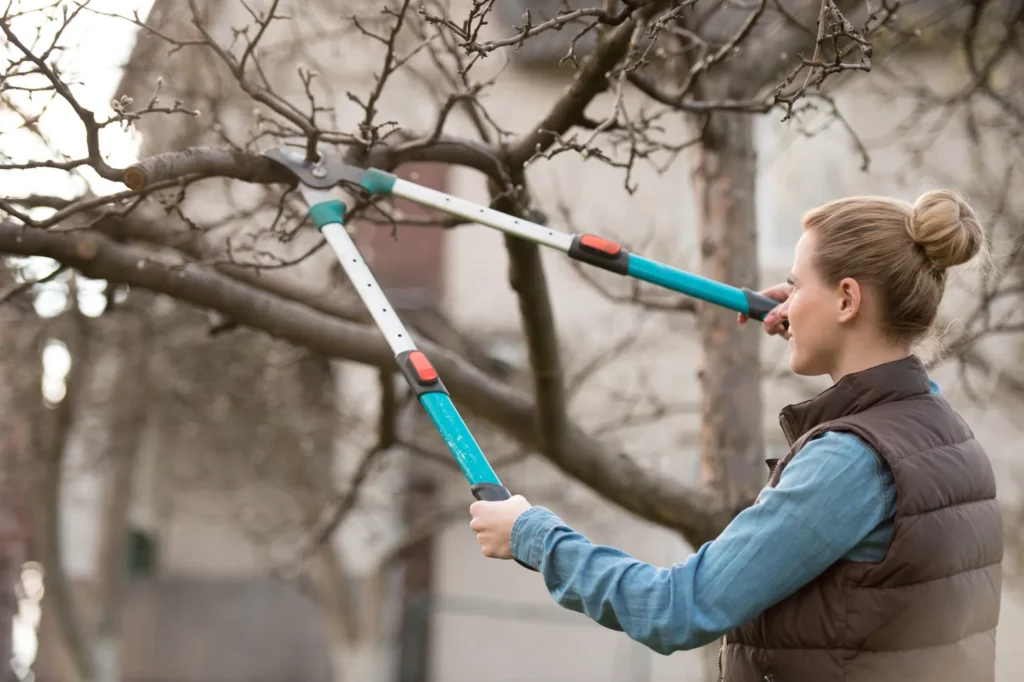
There are various techniques and approaches to tree pruning, each serving a specific purpose. Crown thinning, for example, involves selectively removing inner branches to increase light penetration and air circulation within the canopy. On the other hand, crown raising focuses on removing lower branches to provide clearance for structures or improve visibility. Crown reduction is another technique that aims to reduce the overall size of the tree while maintaining its natural shape.
When deciding on the appropriate pruning technique, it is essential to assess the tree’s current condition, growth habits, and long-term pruning goals. Consulting with a certified arborist can provide valuable insights and ensure that the pruning process is carried out effectively and safely.
The Consequences of Neglecting Tree Pruning
Neglecting tree pruning can have severe consequences, compromising both the tree’s lifespan and safety.
Impact on Tree’s Lifespan
Over time, neglected trees may develop weak and overgrown branches that are more prone to breakage. This can significantly reduce the lifespan of the tree, leading to premature decline and even death.
Potential Hazards of Overgrown Trees
Overgrown trees can pose a threat not only to property but also to human life. Falling branches or toppling trees can cause extensive damage and serious injuries. Regular pruning is the key to minimizing these risks and ensuring a safe environment for everyone.
Furthermore, neglecting tree pruning can also impact the overall aesthetics of the tree and its surroundings. Overgrown trees can appear unkempt and messy, detracting from the beauty of the landscape. Proper pruning not only promotes the health and safety of the tree but also enhances its visual appeal, creating a more pleasing environment for all.
It is important to note that tree pruning is not a one-size-fits-all practice. Different tree species require specific pruning techniques to thrive. Understanding the unique characteristics of each tree and tailoring the pruning approach accordingly is crucial for optimal results.
Other resources: Choosing the Right Tree Pruning Companies for Your Needs