
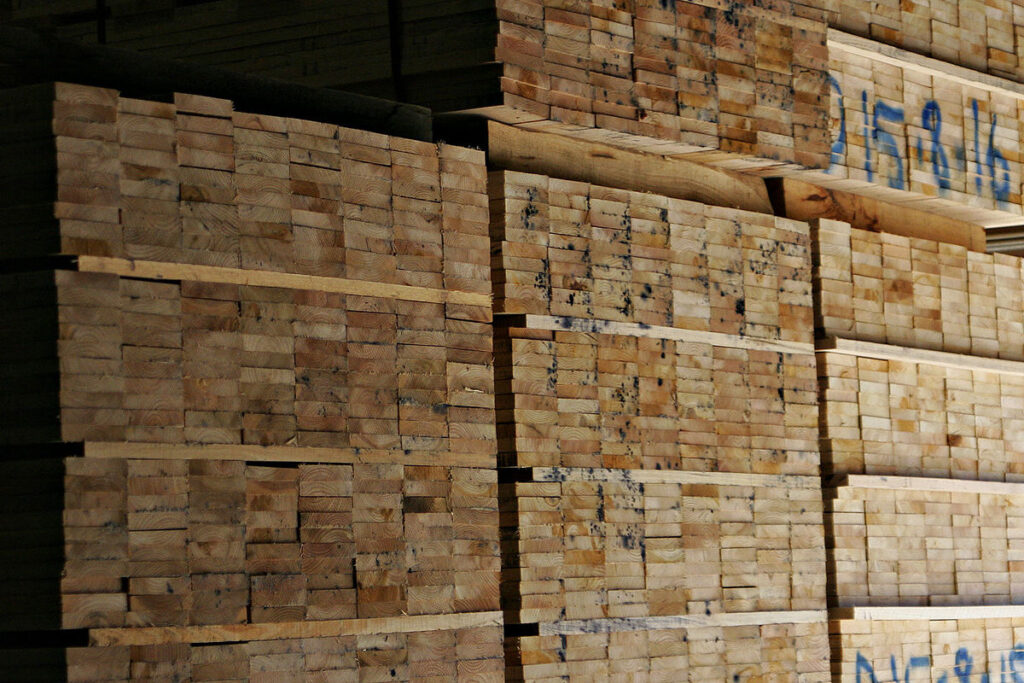
Curved concrete form plywood is a game-changing material in modern construction, designed specifically for creating smooth, curved concrete structures. This specialised plywood combines the flexibility of wood with improved strength properties, allowing builders to shape concrete into flowing, organic forms that characterise contemporary architecture.
The Importance of Curved Concrete Form Plywood
Modern architectural designs push boundaries with bold, curved elements that challenge traditional construction methods. The role of formwork becomes critical in translating these ambitious designs from concept to reality. Curved concrete form plywood serves as the foundation for:
The benefits of curved concrete form plywood go beyond its initial use. With proper care, these versatile panels can deliver outstanding results across multiple projects, making them a valuable investment for construction companies dedicated to quality and efficiency. Their ability to shape complex architectural visions while maintaining structural integrity makes them an essential tool in contemporary Australian construction.
- Complex geometric shapes
- Flowing architectural elements
- Sculptural concrete features
- Curved structural components
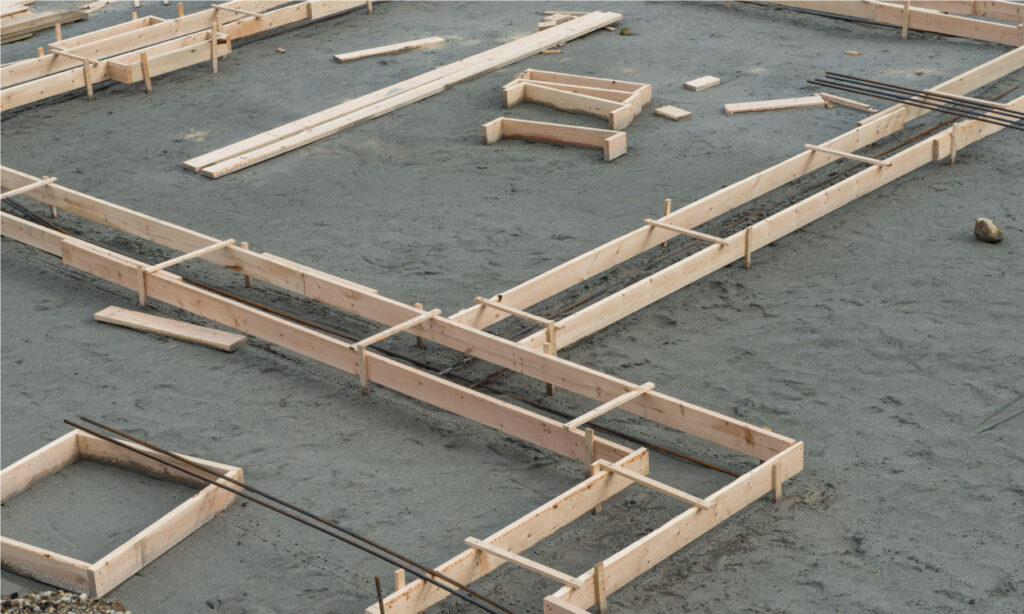
Challenges in Curved Concrete Construction
The construction industry faces significant challenges when executing curved concrete designs:
Technical Complexities
- Achieving precise radius measurements
- Maintaining structural integrity
- Creating smooth surface finishes
- Ensuring uniform concrete curing
Material Demands
- Flexibility without compromising strength
- Resistance to concrete pressure
- Reusability across projects
- Consistent performance under varying conditions
The emergence of curved concrete form plywood addresses these challenges head-on, providing builders with a reliable solution for creating sophisticated architectural elements. This material’s unique properties enable construction teams to tackle complex designs with greater confidence and precision, marking a significant advancement in concrete formwork technology. Learn more about elements on https://pubchem.ncbi.nlm.nih.gov/periodic-table/
Understanding Curved Concrete Form Plywood
Curved concrete form plywood is a specific type of engineered wood product made through precise manufacturing processes. Its core structure consists of multiple layers of high-quality hardwood veneers, carefully chosen for their strength and flexibility. These layers are bonded together using waterproof adhesive resins under controlled temperature and pressure conditions.
The manufacturing process involves:
- Cross-lamination of thin wood veneers at specific angles
- Application of phenolic resins between layers
- High-pressure thermal treatment
- Surface coating with protective sealants
Key Properties:
- Exceptional tensile strength: 45-55 MPa
- Moisture resistance up to 72 hours of direct water exposure
- Surface smoothness rating of 120-150 grit
- Bend radius capability of 1.2-2.4 metres
Advantages over traditional materials
Compared to traditional formwork materials like steel or standard plywood, curved concrete form plywood offers distinct advantages:
- Flexibility: Unlike steel formwork, which is durable but lacks the natural flexibility required for complex curves, curved concrete form plywood can easily accommodate various shapes. Click here to find more about flexibility.
- Moisture resistance: The waterproof adhesive resins used in its construction prevent delamination during wet concrete application, ensuring consistent performance across multiple uses.
- Cost-effectiveness: This durability translates to reduced material replacement costs throughout construction projects.
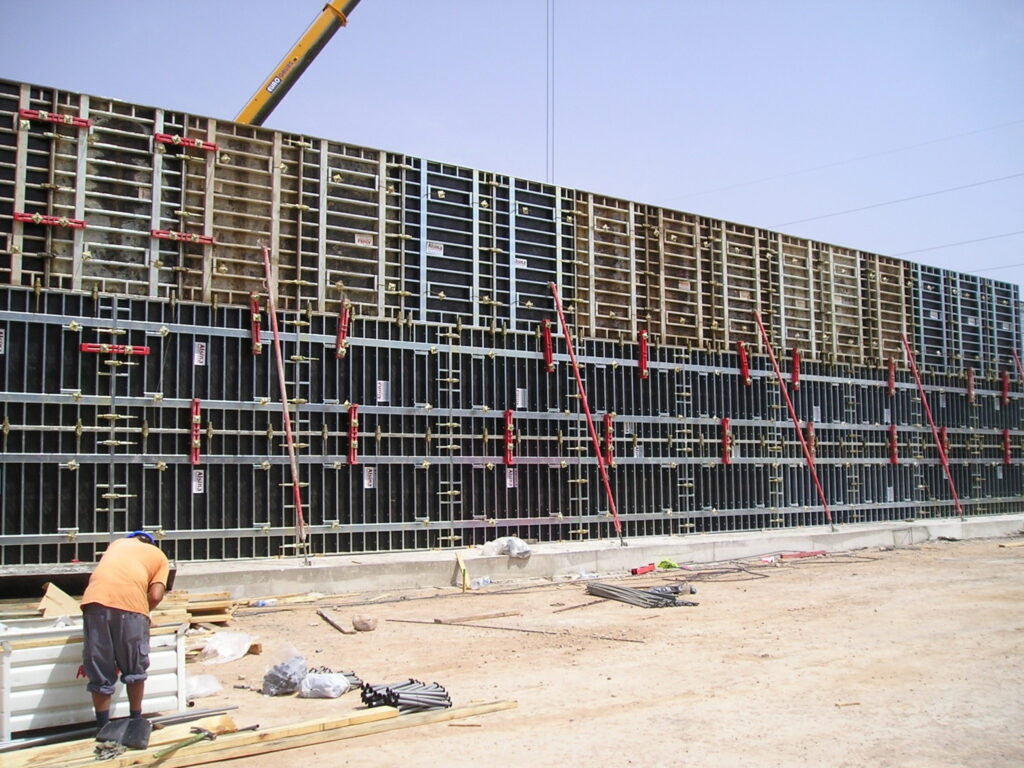
The incorporation of specialised hardwood veneers creates a product that maintains structural integrity under significant concrete pressure. This makes curved concrete form plywood an ideal choice for applications requiring both strength and adaptability.
Curved concrete form plywood has transformed the way complex architectural designs are created. Its ability to bend and flex makes it an ideal choice for achieving precise curves without sacrificing strength.
Read about scaffold mesh on: The Benefits of Using Scaffold Mesh for Construction Site Safety
Key Advantages for Complex Designs:
- Achieves tight radii of up to 2.4 metres for bold architectural features
- Creates smooth curves with no visible joints
- Maintains consistent quality of concrete surface across curved areas
- Adapts to both gentle curves and intricate geometric patterns
The versatility of curved form plywood gives architects the freedom to explore new possibilities in modern construction. Whether it’s a sweeping façade or a spiral staircase, this material can meet the diverse design needs of projects of all sizes.
Applications in Contemporary Architecture:
- Fluid wall designs that create dynamic interior spaces
- Curved exterior features that soften building aesthetics
- Sculptural concrete elements that serve as architectural focal points
- Wave-like structures that integrate with landscape design
The precision-engineered layers in curved form plywood ensure accurate reproduction of complex shapes while maintaining dimensional stability. This reliability proves crucial for projects requiring exact curvature specifications, such as:
- Stadium seating arrangements
- Multi-level parking structures
- Contemporary art installations
- Curved bridge supports
The adaptability of this material also allows for the creation of both positive and negative curves, enabling construction teams to achieve compound shapes that would be difficult or impossible using traditional formwork materials.
Cost-Effectiveness
Curved concrete form plywood stands out as a budget-friendly solution in modern construction projects. The initial investment in quality curved formwork delivers substantial cost advantages throughout the project lifecycle:
Material Cost Benefits:
- 30-40% lower procurement costs compared to steel or fibreglass alternatives
- Reduced need for specialised fixing components
- Minimal waste through precise cutting and shaping capabilities
Labour Savings:
- Quick installation time with standard carpentry tools
- Reduced crew size requirements for assembly
- Simplified stripping process after concrete curing
The smooth surface finish of curved concrete form plywood creates significant downstream cost benefits:
- Elimination of extensive grinding work
- Reduced plastering requirements
- Minimal surface preparation for finishing coats
- Lower material consumption for finishing products
Australian construction companies report substantial savings through:
- Decreased equipment hire periods
- Reduced skilled labour hours
- Lower transportation costs due to lighter weight
- Multiple reuse cycles when properly maintained
The cost advantages extend beyond direct material expenses, creating value through improved project efficiency and reduced timeline requirements. These savings make curved concrete form plywood an economically sound choice for complex architectural designs in the Australian construction market.
Durability and Moisture Resistance
Curved concrete form plywood’s exceptional durability comes from its special manufacturing process and protective treatments. The multi-layer construction creates a strong material that keeps its shape under heavy concrete pressure.
Key moisture-resistant properties:
- High-quality phenolic adhesives between layers prevent separation
- Specialised surface treatments block water penetration
- Dense wood core resists dimensional changes
- Enhanced edge sealing prevents moisture ingress
The use of protective sealants and coatings creates an extra moisture barrier that is crucial for maintaining shape during concrete curing. These treatments go deep into the wood fibres, creating a water-resistant barrier that stops swelling and warping.
Durability features:
- UV-resistant surface treatments
- Chemical-resistant properties
- Impact-resistant construction
- Tolerance to temperature changes
Australian construction sites often face tough weather conditions. Treated curved form plywood keeps its shape even when exposed to rain, humidity, and temperature changes. This stability ensures precise curved shapes stay intact during the pouring and curing of concrete.
The combination of factory-applied treatments and on-site maintenance protocols extends the lifespan of curved form panels. Regular inspection and reapplication of protective coatings between uses keep the plywood’s moisture-resistant properties and structural integrity intact across multiple concrete pours.
Superior Surface Finish Quality & Compatibility with Construction Systems
Curved concrete form plywood delivers exceptional surface finishes that significantly reduce post-construction work requirements. The engineered surface creates a glass-like concrete finish, eliminating extensive grinding or plastering processes that traditionally consume valuable project time and resources.
The precision-manufactured panels integrate seamlessly with standard timber framing systems through:
- Pre-drilled fixing points for rapid assembly
- Compatible edge profiles for secure connections
- Standardised sizing that aligns with common frame dimensions
On-site handling and installation benefits include:
- Lightweight composition – enables single-person manipulation of panels
- Flexible positioning – adapts to varied support structures
- Quick-release properties – speeds up form removal after concrete curing
The superior finish quality translates directly to project efficiency:
- Up to 70% reduction in surface preparation time
- Minimal patching or repair work needed
- Immediate readiness for architectural finishes
Australian construction teams particularly value the system’s adaptability across different project scales – from small residential features to large commercial developments. The panels maintain consistent performance whether creating subtle curves in garden walls or dramatic sweeps in multi-storey structures.
The combination of high-quality finish and construction compatibility makes curved concrete form plywood an invaluable asset for achieving sophisticated architectural designs while maintaining practical building timelines and budgets. This is further enhanced when paired with high-quality materials such as Structural Laminated Veneer Lumber (LVL), which are engineered to meet the highest standards in the construction industry.
Sustainability Advantages & Enhanced Architectural Possibilities
Curved concrete form plywood stands at the intersection of environmental responsibility and architectural innovation. Sourced from certified renewable forestry resources, these materials support sustainable forest management practices while delivering exceptional construction capabilities.
The environmental impact of curved form plywood extends beyond its origins:
- Made with eco-friendly adhesives that reduce VOC emissions
- Supports Australian green building certification requirements
- Minimal waste generation through multiple reuse cycles
- Reduced carbon footprint compared to steel alternatives
The architectural possibilities unlocked by curved form plywood transform urban landscapes. Architects can create:
- Fluid, organic shapes that mirror natural formations
- Dynamic curved surfaces that capture light and shadow
- Seamless transitions between structural elements
- Biophilic designs that integrate with surrounding environments
These enhanced design capabilities allow buildings to harmonise with their settings through:
- Sweeping curved facades that reflect coastal waves
- Spiral structures echoing native flora
- Undulating surfaces that create visual movement
- Sculptural elements that blend architecture with landscape
The material’s adaptability supports innovative structural solutions while maintaining rigorous environmental standards. Projects using curved form plywood often achieve higher sustainability ratings through reduced material waste and energy-efficient design outcomes.
Australian architects increasingly embrace these sustainable formwork solutions to create distinctive landmarks that respect both environmental obligations and design aspirations. The combination of sustainability and design flexibility positions curved concrete form plywood as an essential material in modern architectural practice.
Technological Advancements Supporting Use
Modern technology has changed the way curved concrete form plywood is made and used. CAD/CAM cutting systems now offer unmatched accuracy in creating curved segments, with tolerances as tight as ±0.1mm. These advanced cutting technologies enable:
- Computer-guided routing for complex curves
- Automated edge profiling
- Precise panel dimensioning
- Custom radius calculations
The integration of 3D modelling software with fabrication systems allows architects to:
- Visualise complex curved designs
- Generate detailed cutting patterns
- Optimise material usage
- Create exact templates for mass production
Advanced coating technologies have significantly improved plywood performance:
- Nano-enhanced surface treatments
- Multi-layer protective systems
- UV-resistant compounds
- Chemical-resistant barriers
These protective innovations deliver superior moisture resistance, with laboratory tests showing up to 85% reduction in water absorption compared to traditional coatings. Australian manufacturers now use automated coating systems that ensure uniform application and optimal curing conditions.
However, it’s not just about the plywood. The use of Chain & Shade Mesh alongside these advanced technologies offers additional advantages. This mesh is fireproof, UV-treated, and hot-dipped galvanized for long-lasting protection, making it an excellent choice for various applications.
On the other hand, precision fabrication techniques have opened up new opportunities:
- CNC-controlled bending processes
- Automated quality control systems
- Digital measurement verification
- Real-time adjustment capabilities
These technological advancements allow construction teams to achieve higher levels of accuracy while minimising material waste and installation time on Australian construction sites.
Furthermore, safety is crucial in construction. This is where products like the Reo-Bar Safety Protection Strips come into play. These durable strips shield individuals from exposed reo bars and are UV-resistant, ensuring safety without compromising on quality.
Addressing Challenges Associated with Curved Concrete Form Plywood
Curved concrete form plywood faces specific challenges that require careful attention and preventive measures. Delamination presents a significant risk when moisture penetrates between plywood layers, compromising structural integrity and surface quality.
Common Issues:
- Warping under high moisture exposure
- Layer separation during concrete pouring
- Surface irregularities from improper sealing
- Edge damage from repeated use
Proper application of protective coatings creates an essential barrier against moisture infiltration. High-quality sealants penetrate the wood fibres, establishing a robust defence against water absorption and subsequent swelling.
Best Practices for Protection:
- Apply multiple thin coats of sealant rather than one thick layer
- Allow adequate drying time between coating applications
- Use compatible release agents designed for curved surfaces
- Maintain consistent coating thickness across curved sections
Release agents play a crucial role in preserving form integrity. Modern water-based agents offer superior protection while maintaining environmental compliance standards. These agents:
- Create a chemical barrier between concrete and plywood
- Reduce surface adhesion during concrete curing
- Enable clean form removal without damage
- Extend the serviceable life of curved formwork
Regular inspection of coating conditions helps identify potential weak points before failure occurs. Damaged areas require immediate attention through spot treatments with compatible sealants to maintain protective integrity.
Achieving Ultra-Smooth Finishes on Complex Curves & Proper Handling and Storage Practices
Achieving flawless concrete finishes on curved surfaces demands precise techniques and careful material handling. High-quality form-facing materials like High-Density Overlay (HDO) plywood create exceptionally smooth surfaces while reducing the risk of concrete adhesion.
Surface Treatment Techniques:
- Apply release agents in thin, uniform layers
- Sand edges between curved segments to eliminate joint lines
- Use flexible form liners for intricate patterns
- Polish form surfaces between uses
Compatible Facing Materials:
- HDO plywood with phenolic coating
- Elastomeric form liners
- Polyurethane-coated surfaces
- Textured rubber membranes
Storage Requirements:
- Store panels flat on raised platforms
- Maintain consistent temperature (15-25°C)
- Keep humidity levels below 65%
- Protect from direct sunlight
On-site Handling Guidelines:
- Use dedicated lifting equipment for large panels
- Support curved sections at multiple points
- Avoid stacking curved forms
- Transport panels vertically when possible
Proper preparation of form-facing materials significantly impacts the final concrete finish. Australian construction sites require strict adherence to storage protocols, particularly during summer months when temperature fluctuations can affect plywood stability. Implementing systematic handling procedures helps maintain the integrity of curved formwork throughout multiple use cycles.
Regular inspection of form surfaces between pours ensures consistent quality. Damaged areas require immediate attention through appropriate surface treatment techniques to maintain the desired finish quality in subsequent concrete pours.
Conclusion
Curved concrete form plywood is a game-changing material in modern construction. It allows architects and builders to create stunning designs while being cost-effective and durable. To make the most of its potential, it’s important to follow strict maintenance protocols:
- Regular Inspections
- Check for signs of delamination before each use
- Assess the condition of the surface and coating
- Keep track of any repairs or replacements needed
- Strategic Reuse Practices
- Clean forms immediately after removing the concrete
- Apply release agents consistently
- Store panels flat in covered areas
- Rotate stock to ensure even wear