
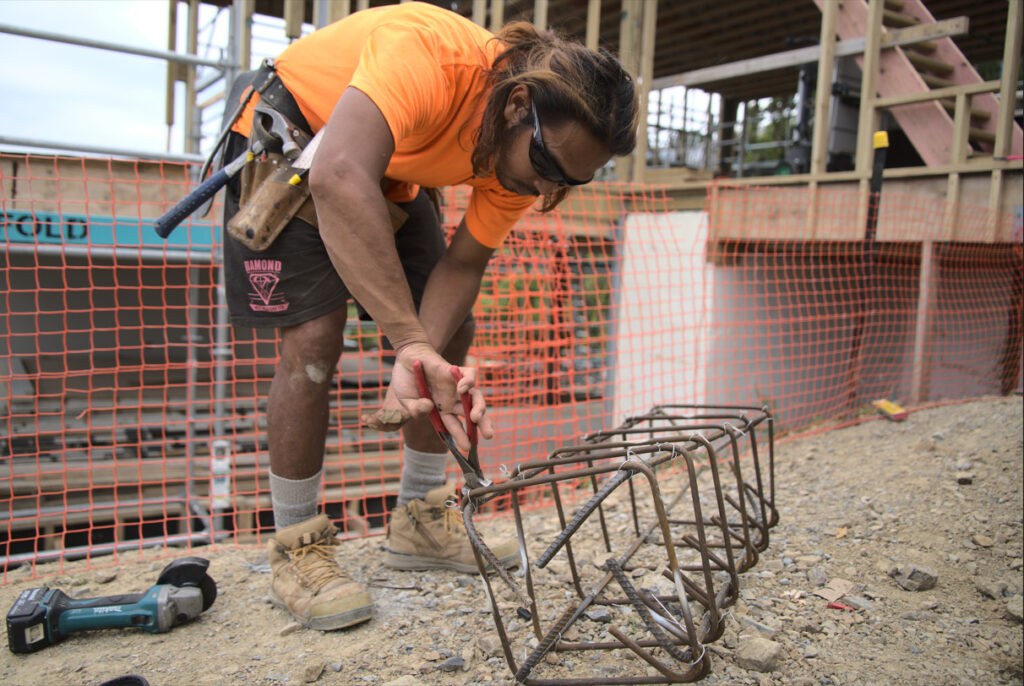
Construction site safety is a top priority in Australia’s building industry. Scaffold mesh, a strong protective barrier system, plays a crucial role in creating secure work environments. This specially designed netting material wraps around scaffolding structures, providing essential protection against falling debris and tools.
Implementing effective safety measures directly affects project success and worker wellbeing. Research shows that construction sites using proper safety netting systems report significantly fewer incidents and injuries.
Scaffold mesh offers multiple safety benefits:
- Prevents tools and materials from falling
- Creates protective barriers around work zones
- Shields workers and pedestrians from construction hazards
- Reduces wind impact at height
- Contains dust and debris within the site
These protective qualities make scaffold mesh an essential part of modern construction safety protocols, safeguarding both site personnel and the public while supporting efficient project completion.
Understanding Scaffold Mesh
Scaffold mesh comes in several materials and configurations to meet specific construction site requirements. The two primary materials used in modern scaffold mesh are:
To ensure maximum effectiveness and durability of scaffold mesh systems, it is important to have qualified personnel carry out professional installation. This investment in safety equipment brings benefits such as fewer incidents, increased worker confidence and smoother project completion – making scaffold mesh an essential part of modern construction practices.
1. High-Density Polyethylene (HDPE)
- Superior UV resistance
- Exceptional durability in harsh weather
- Lightweight yet strong structure
- Ideal for long-term outdoor projects
2. Nylon Mesh
- Enhanced flexibility
- High tensile strength
- Cost-effective option
- Suitable for short-term applications
The main types of scaffold mesh include shade cloth fabric and debris netting, each serving distinct purposes on construction sites. Shade cloth fabric provides additional privacy and dust control, while debris netting excels at containing falling objects and materials.
Mesh density variations range from 50% to 90% coverage, allowing builders to select the appropriate level of protection:
- 50% density: Suitable for basic debris containment
- 70% density: Balanced protection and ventilation
- 90% density: Maximum protection for high-risk areas
The mesh size can be customised to match specific project requirements, with standard options ranging from 2mm to 4mm grid patterns. These variations enable construction teams to achieve optimal safety outcomes while maintaining necessary airflow and visibility on site.
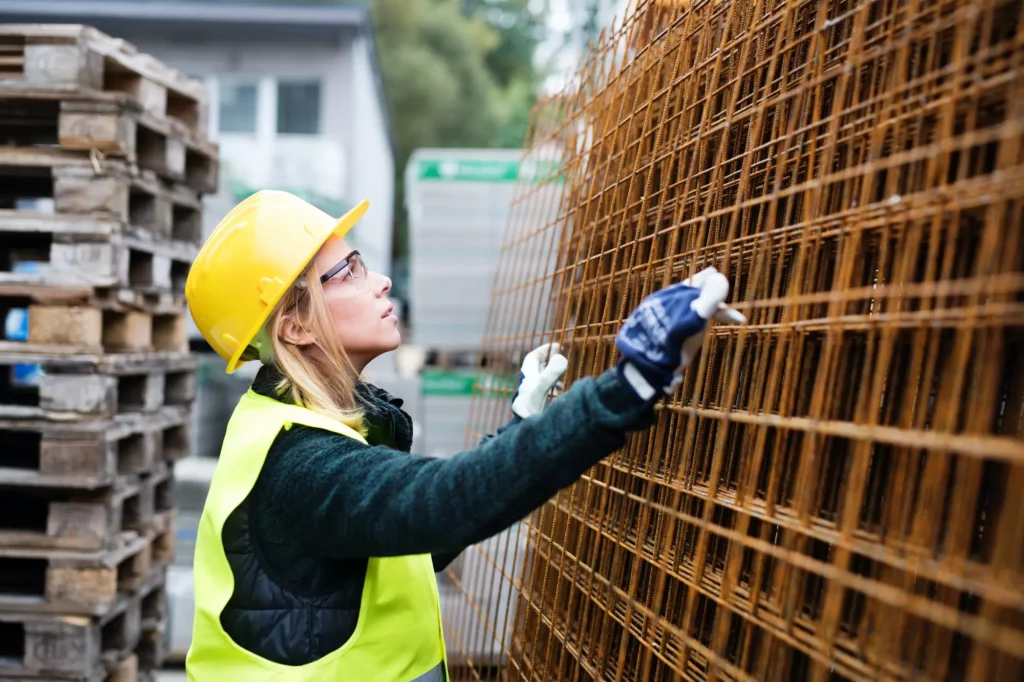
Key Safety Benefits of Using Scaffold Mesh on Construction Sites
Construction site safety requires strong protective measures, and scaffold mesh plays a crucial role in defending against potential dangers. Using high-quality scaffold mesh offers three main safety benefits:
1. Protection from Falling Objects
- Tools, building materials, and debris can be extremely dangerous if they fall from a height
- Scaffold mesh acts as a reliable system to catch these objects, preventing them from hitting the ground
- By strategically placing the mesh around work areas, we can protect both workers on-site and pedestrians passing by
Read about concrete plywood on: Benefits of Using Curved Concrete Form Plywood for Complex Designs
2. Enhanced Fall Protection Systems
- Scaffold mesh serves as an additional barrier alongside standard guardrails
- It helps reduce the risk of workers slipping through gaps in the scaffolding
- The visual boundaries created by the mesh assist workers in maintaining awareness of their surroundings while working at heights
3. Comprehensive Site Security
- The use of scaffold mesh creates secure enclosures around hazardous work areas
- It prevents unauthorised individuals from accessing scaffolding structures
- By acting as a physical deterrent, the mesh reduces the likelihood of climbing accidents
The effectiveness of scaffold mesh in preventing accidents is evident through decreased incident reports across construction sites in Australia. According to data from SafeWork Australia, properly installed scaffold mesh has the potential to reduce incidents involving falling objects by up to 85%. Learn more about accidents at https://www.ehs.ucsb.edu/programs-services/lab-safety-chemical-hygiene/laboratory-accidents
These safety benefits go beyond simply meeting regulations; they create a strong protective environment that promotes worker wellbeing and enhances project efficiency. By ensuring proper installation and conducting regular maintenance, we can guarantee that these safety features remain effective throughout the entire duration of the project.
Enhancing Worker Confidence and Productivity Through Scaffold Mesh
A secure work environment has a significant psychological impact on construction site personnel. Workers who feel protected by scaffold mesh demonstrate increased focus on their tasks, knowing they’re shielded from potential hazards.
Research indicates that visible safety measures like scaffold mesh contribute to:
- Reduced stress levels among workers
- Enhanced concentration on complex tasks
- Improved team communication
- Higher job satisfaction rates
- Increased willingness to work at heights
The presence of scaffold mesh establishes clear safety boundaries, allowing workers to move confidently across different levels of scaffolding. This confidence directly leads to measurable productivity gains:
“When workers feel secure, they spend less time worrying about safety risks and more time focusing on their work tasks” – Australian Construction Safety Council
Construction sites using proper scaffold mesh report:
- 15-20% reduction in work-related anxiety
- 25% increase in task completion rates
- 30% decrease in safety-related work interruptions
The psychological benefits extend beyond individual workers to create a positive site culture. Teams working behind scaffold mesh display improved collaboration, better problem-solving capabilities, and heightened awareness of collective safety responsibilities. This enhanced psychological safety transforms into tangible project outcomes through faster completion times and higher quality workmanship.
Compliance with Safety Regulations and Standards for Scaffold Mesh Installation
Australian construction sites must adhere to strict safety regulations regarding scaffold mesh installation. The Work Health and Safety (WHS) regulations specify essential requirements for safety nets and mesh systems:
Key Safety Standards:
- Minimum breaking load strength of 2.2kN
- Maximum mesh opening size of 100mm
- Installation height requirements based on fall distances
- Impact resistance testing certification
The mesh installation process requires qualified personnel to verify:
- Proper anchor point spacing at maximum 2.5m intervals
- Secure fixing methods using approved tie systems
- Adequate overlap between mesh sections (minimum 300mm)
- Regular inspection and maintenance protocols
Critical Performance Requirements:
- UV-resistance ratings for outdoor applications
- Fire-retardant properties for specific project needs
- Load-bearing capacity certification
- Wind resistance ratings for high-rise installations
Safety inspectors assess scaffold mesh installations against these standards through:
- Documentation of mesh specifications
- Visual inspection of fixing methods
- Testing of tension and securing points
- Verification of maintenance records
Construction companies must maintain detailed records of scaffold mesh compliance, including material certificates, installation dates, and inspection results. These records form part of the site’s safety management system and may be audited by regulatory authorities.
Non-compliance with safety standards can result in significant penalties, project delays, and potential site shutdowns. Regular updates to safety requirements mean construction managers must stay informed about current regulations and mesh installation best practices. To find more about potential click here.
Additional Functional Benefits of Using Scaffold Mesh Beyond Safety Measures
High-density knitted shade cloth serves as an effective wind barrier on construction sites, protecting workers and materials from harsh weather conditions. The mesh’s strategic design reduces wind speed by up to 70%, creating a more stable working environment and minimising disruptions to construction activities.
The acoustic properties of scaffold mesh deliver significant noise reduction benefits:
- Sound absorption: Dense mesh materials can reduce noise levels by 7-10 decibels
- Vibration dampening: Helps minimise construction equipment sound transmission
- Neighbourhood consideration: Essential for urban construction projects near residential areas
Scaffold mesh also acts as a deterrent against unauthorised site access. The opaque nature of high-density mesh restricts visibility into the construction zone, enhancing site security and protecting valuable equipment and materials.
These practical advantages extend to dust control and climate management. The mesh’s filtering capabilities trap airborne particles while allowing proper ventilation, creating improved working conditions for construction teams.
Installation Best Practices and Maintenance Tips for Long-Lasting Scaffold Mesh Performance
Proper installation of scaffold mesh requires careful attention to detail and following specific techniques for the best performance. Here’s what construction professionals need to know:
Essential Installation Steps:
- Secure mesh at intervals of 2.4 metres maximum
- Install ties at both top and bottom edges
- Maintain consistent tension across the entire surface
- Overlap joins by minimum 100mm
- Check for tears or damage before installation
Project-Specific Considerations:
Commercial Projects
- Higher elevation requirements need additional securing points
- Heavy-duty zip ties rated for industrial use
- Double-layer installation for enhanced protection
- Regular inspection schedule every 7 days
Residential Projects
- Lighter-weight mesh options suitable for shorter heights
- Single-layer installation typically sufficient
- Focus on aesthetic presentation facing public areas
- Weekly visual inspections recommended
Maintenance Requirements:
- Remove any accumulated debris
- Check tension points after severe weather
- Replace damaged sections immediately
- Clean mesh surfaces using low-pressure water
- Document all maintenance activities
The longevity of scaffold mesh relies heavily on proper storage between projects. Store mesh in dry conditions, away from direct sunlight, and avoid folding to prevent permanent creases that could compromise its structural integrity.
Choosing the Right Scaffold Mesh Based on Project Requirements
Selecting appropriate scaffold mesh requires careful consideration of specific project needs and environmental conditions. Different coverage densities serve distinct purposes on construction sites:
50% Coverage Mesh
- Ideal for basic debris containment
- Allows natural ventilation
- Suitable for low-rise residential projects
- Provides moderate wind reduction
- Cost-effective solution for shorter-term projects
90% Coverage Mesh
- Maximum protection against falling debris
- Enhanced dust control capabilities
- Essential for high-rise construction
- Superior weather protection
- Recommended for sensitive urban environments
UV Resistance Specifications
The Australian climate demands particular attention to UV protection. High-quality scaffold mesh should feature:
- Minimum 3-year UV warranty
- Anti-degradation treatments
- Colour stability under sun exposure
- Burst strength retention after prolonged sun exposure
Burst Strength Requirements
Project-specific burst strength ratings ensure mesh durability:
- Light-duty: 1.5kN minimum burst strength
- Medium-duty: 2.5kN minimum burst strength
- Heavy-duty: 3.5kN minimum burst strength
Site location and project duration influence mesh selection. Coastal construction demands higher UV resistance ratings, while inner-city projects might prioritise higher coverage percentages for dust control. The mesh’s burst strength should align with anticipated wind loads and debris risks specific to the building height and location.
Australian Standards compliance remains crucial when selecting scaffold mesh specifications. Quality manufacturers provide detailed technical data sheets outlining UV resistance ratings, burst strength certifications, and coverage percentages to support informed decision-making.
The Role of Scaffold Mesh in High-Risk Construction Projects
High-risk construction projects present unique safety challenges that demand specialised protective measures. Bridge construction and infrastructure works face distinct hazards:
Bridge Construction Challenges:
- Working at extreme heights over water bodies
- Complex structural configurations
- Variable weather conditions
- Heavy equipment operation
- Multiple work levels simultaneously active
Scaffold mesh proves invaluable in these scenarios by creating contained work zones that prevent tools and materials from falling into waterways or onto traffic below. The mesh’s ability to withstand high winds while maintaining structural integrity makes it essential for bridge works where traditional barriers might fail.
Large Infrastructure Applications:
- Multi-level Protection: Creates safe working environments across different elevations
- Debris Control: Contains construction waste in confined spaces
- Equipment Security: Prevents tools from becoming projectiles
- Environmental Protection: Minimises construction impact on surrounding ecosystems
In high-rise construction, scaffold mesh serves as a critical safety barrier during facade installation and maintenance work. The mesh’s adaptability allows it to conform to complex architectural shapes while maintaining consistent protection levels.
The implementation of scaffold mesh in these high-risk environments requires careful consideration of:
- Wind load calculations
- Attachment points
- Regular inspection protocols
- Emergency access requirements
- Integration with other safety systems
Environmental and Economic Benefits of Using Scaffold Mesh on Construction Sites
The use of scaffold mesh offers significant cost savings by preventing accidents and protecting the environment. Construction companies have reported substantial decreases in insurance premiums and workers’ compensation claims when proper mesh systems are put in place.
Cost-Effective Risk Management:
- Reduced medical expenses from prevented injuries
- Lower insurance premiums due to enhanced safety measures
- Minimized equipment damage from falling debris
- Decreased project delays from safety incidents
In modern construction practices, there is a strong emphasis on considering the environmental impact of building activities. Scaffold mesh proves to be an efficient solution in combating pollution caused by construction:
Environmental Protection Benefits:
- Containment of airborne dust particles
- Prevention of debris scatter in surrounding areas
- Safeguarding of nearby vegetation and waterways
- Lessened clean-up efforts in adjacent properties
The economic and environmental benefits also extend to:
- Waste Management: Controlled debris containment reduces disposal costs and supports efficient recycling processes
- Site Maintenance: Less time spent on cleaning surrounding areas
- Community Relations: Minimized complaints from neighbours about dust and debris
- Local Compliance: Meeting environmental protection requirements without additional investments
Construction sites that utilise high-quality scaffold mesh have experienced up to a 30% reduction in clean-up expenses and a significant decrease in environmental compliance issues. These advantages lead to improved project schedules and a better reputation within the community.
The combination of lower accident-related costs and environmental preservation makes a strong case for installing scaffold mesh, positioning it as a crucial investment for construction projects of all sizes.
Covert Procurement: Your Partner for Quality Scaffolding Accessories Including Scaffold Mesh
Covert Procurement is a trusted Australian supplier of premium construction materials, specialising in high-grade scaffolding accessories and mesh solutions. Our extensive industry experience enables us to deliver products that meet rigorous safety standards while optimising cost efficiency for construction firms.
Key Supply Capabilities:
- Direct manufacturer relationships ensuring competitive pricing
- Bulk ordering options for large-scale projects
- Quality assurance testing on all scaffold mesh products
- Fast delivery across Australian construction sites
We understand the critical balance between quality and cost management in construction projects. Our procurement strategies help construction firms maintain high safety standards without compromising their budget targets. Through strategic supplier partnerships, we secure premium scaffold mesh products at advantageous prices.
Our product range includes high-quality formwork plywood available in various stress grades like F14, F17 & F22, which are sourced from Australian certified suppliers. We also offer structural laminated veneer lumber (LVL), engineered to meet the highest standards in the construction industry.
Quality Assurance Measures:
- Regular product testing and certification
- Compliance with Australian safety standards
- Durability assessments under various weather conditions
- Strength and impact resistance verification
Our technical team provides expert guidance on scaffold mesh selection, helping clients choose appropriate materials based on specific project requirements. We maintain comprehensive stock levels of various mesh densities and sizes, ensuring immediate availability for urgent project needs.
We also supply long-lasting chain and shade mesh that is fireproof, UV-treated, and hot-dipped galvanized for lasting protection. Furthermore, we provide reo bar safety protection strips to protect people from exposed reo bars; these are durable, UV-resistant, and available in 1m lengths.
The Covert Procurement difference lies in our commitment to quality control and customer support. Our dedicated project consultants work closely with construction teams to identify cost-effective solutions that never compromise on safety or durability standards.
Conclusion
Scaffold mesh is a crucial part of construction site safety, providing essential protection for workers, pedestrians and property. By choosing the right mesh specifications and using proper installation methods, we can create a strong safety barrier that meets Australian construction standards.
A comprehensive site safety strategy combines scaffold mesh with other protective measures to:
- Prevent falling debris
- Shield workers from environmental hazards
- Maintain workplace efficiency
- Reduce project liability risks