
In today’s world, businesses face a myriad of threats, from theft to vandalism. As a result, investing in reliable commercial security systems has become essential for safeguarding assets and ensuring peace of mind. This article explores various strategies and technologies that can help protect businesses from these threats.
The Importance of Commercial Security Systems
Commercial security systems are designed to deter, detect, and respond to threats. They serve as a crucial line of defence for businesses, providing protection not only for physical assets but also for employees and customers. A robust security system can significantly reduce the likelihood of theft and vandalism, which can otherwise lead to substantial financial losses.
Understanding the Risks
Businesses face numerous risks, including burglary, shoplifting, and vandalism. These incidents can occur at any time, often when least expected. Understanding the specific risks associated with a particular business type is vital in tailoring an effective security strategy.
For instance, retail establishments may experience shoplifting more frequently, while warehouses might be more susceptible to burglary. Identifying these risks allows businesses to implement targeted measures that address their unique vulnerabilities. Additionally, the rise of e-commerce has introduced new challenges, as businesses must now consider the security of their online transactions and customer data. Cybersecurity threats are increasingly prevalent, making it essential for companies to integrate digital security measures alongside their physical security systems to create a comprehensive defence strategy.
Legal and Financial Implications
The consequences of theft and vandalism extend beyond immediate financial loss. Businesses may face legal ramifications, increased insurance premiums, and damage to their reputation. A comprehensive security system not only protects assets but also mitigates these potential liabilities.
Moreover, the financial implications of security breaches can be staggering. Beyond the cost of stolen goods, businesses may incur expenses related to legal fees, potential lawsuits, and the costs associated with recovering from a breach. The impact on customer trust can be equally damaging, as clients may hesitate to engage with a business that has experienced security issues. Therefore, investing in a high-quality security system is not merely an expense but a strategic decision that can safeguard a business’s future and maintain its standing in the marketplace. Furthermore, many businesses find that the presence of a well-designed security system can enhance their overall operational efficiency, as employees feel safer and more secure in their working environment, leading to increased productivity and morale.
Components of an Effective Security System
An effective commercial security system comprises various components, each serving a specific purpose. Understanding these components can help businesses make informed decisions when selecting security solutions.
Surveillance Cameras
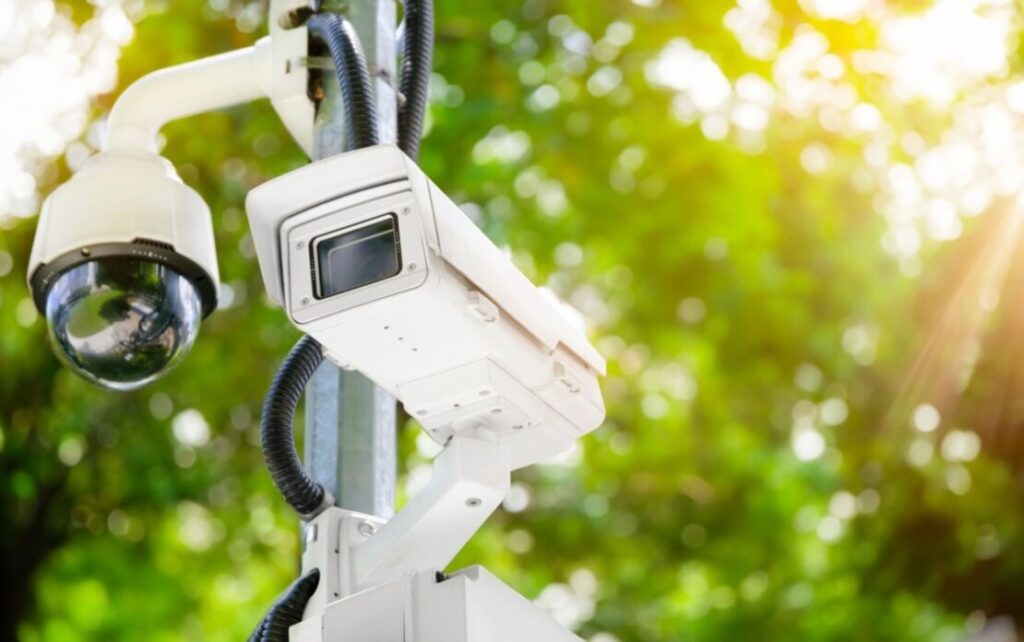
Surveillance cameras are a cornerstone of any security system. They provide real-time monitoring and can deter criminal activity simply by their presence. Modern cameras come equipped with features such as high-definition video, night vision, and remote access, allowing business owners to monitor their premises from anywhere.
In addition to deterring crime, recorded footage can be invaluable in investigations, providing evidence that can be used in legal proceedings. It’s essential to strategically place cameras in high-risk areas, such as entrances, exits, and cash registers, to maximise their effectiveness.
Access Control Systems
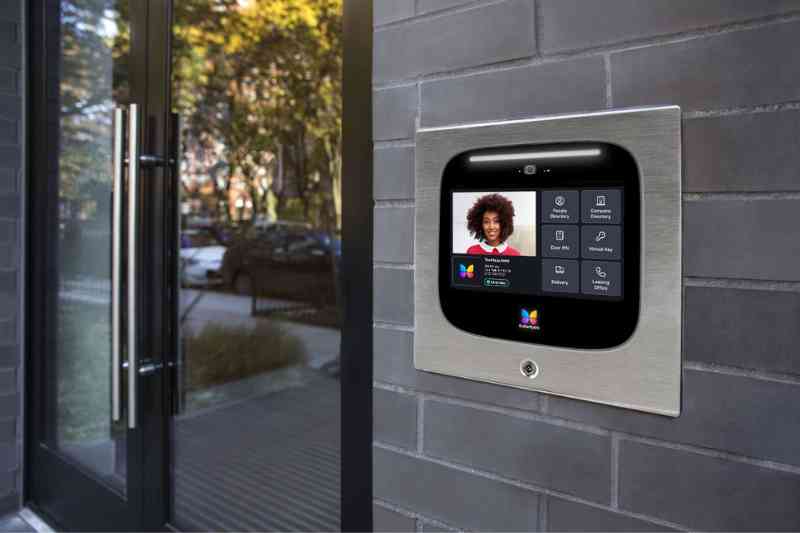
Access control systems regulate who can enter specific areas of a business. These systems can range from simple keycard entry to advanced biometric scanners. Implementing access control helps prevent unauthorised access, ensuring that only employees and trusted individuals can enter sensitive areas.
Moreover, access control systems can be integrated with other security measures, such as surveillance cameras, to provide a comprehensive security solution. This integration allows for real-time monitoring and alerts when unauthorised access attempts occur.
Alarm Systems
Alarm systems are vital for alerting business owners and authorities to potential security breaches. These systems can be triggered by motion sensors, door/window contacts, or glass break detectors. When an alarm is activated, it can notify the business owner, local authorities, or a monitoring service, ensuring a rapid response to any threats.
Modern alarm systems often come with smartphone integration, allowing business owners to receive alerts and monitor their premises remotely. This feature enhances the overall security posture by enabling immediate action in case of an incident.
Integrating Technology into Security Solutions
Advancements in technology have revolutionised the way businesses approach security. Integrating modern technologies into security systems can enhance their effectiveness and provide additional layers of protection.
Smart Security Systems
Smart security systems leverage the Internet of Things (IoT) to connect various security components, allowing for seamless communication and control. Business owners can manage their security systems through mobile apps, enabling them to monitor their premises in real-time, receive alerts, and even control access remotely.
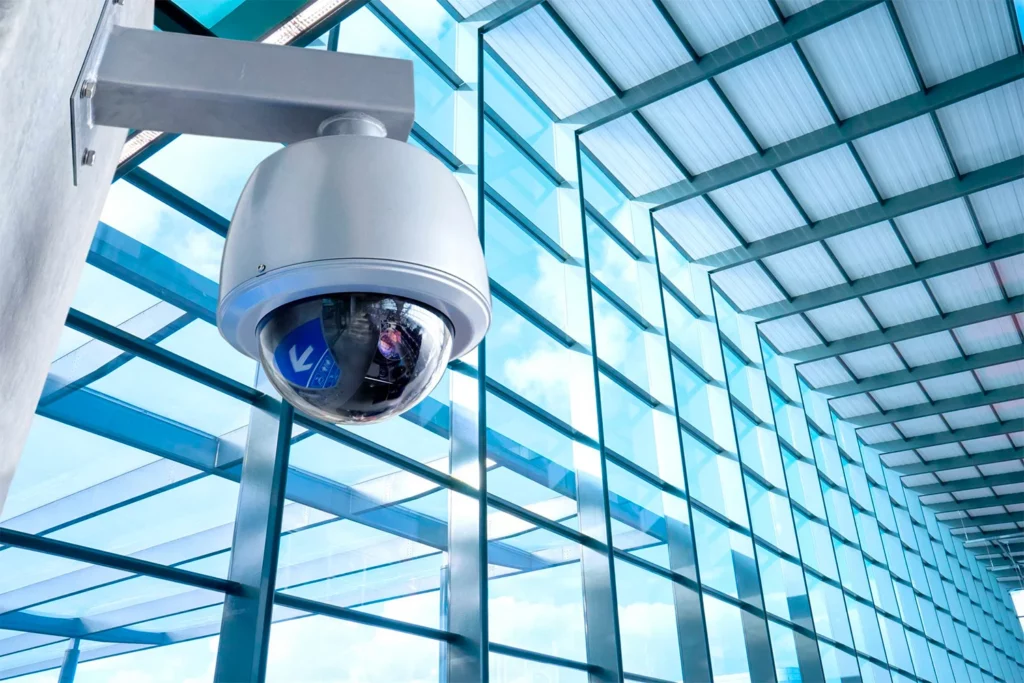
This level of connectivity not only improves response times but also provides valuable insights into security trends and patterns. By analysing data from smart security systems, businesses can make informed decisions about their security strategies.
Video Analytics
Video analytics technology enhances traditional surveillance systems by analysing video feeds in real-time. This technology can detect unusual behaviour, such as loitering or unauthorised access, and trigger alerts automatically. By reducing the need for constant human monitoring, video analytics can significantly improve the efficiency of security operations.
Furthermore, video analytics can provide valuable data for businesses, such as foot traffic patterns and peak hours, which can inform operational decisions beyond security.
Creating a Security Culture within the Business
While technology plays a crucial role in protecting businesses, fostering a security-conscious culture among employees is equally important. Employees are often the first line of defence against theft and vandalism, and their awareness can significantly impact the overall security of the business.
Training and Awareness
Regular training sessions can educate employees about security protocols, recognising suspicious behaviour, and responding to potential threats. By empowering employees with knowledge, businesses can create a proactive security environment.
Additionally, encouraging employees to report any security concerns or incidents can help identify vulnerabilities that may not be apparent to management. This collaborative approach fosters a sense of responsibility and vigilance among staff.
Establishing Clear Policies
Clear security policies should be established and communicated to all employees. These policies should outline procedures for handling security incidents, accessing restricted areas, and reporting suspicious activities. Having a well-defined protocol ensures that everyone understands their role in maintaining security.
Regular Maintenance and Upgrades
To ensure the effectiveness of a commercial security system, regular maintenance and upgrades are essential. Security technology evolves rapidly, and outdated systems may leave businesses vulnerable to new threats.
Scheduled Maintenance
Regular maintenance checks can identify potential issues before they become significant problems. This includes testing alarm systems, ensuring cameras are functioning correctly, and updating software for smart security systems. Scheduling routine inspections can help maintain the integrity of the security system.
Upgrading Technology
As technology advances, businesses should consider upgrading their security systems to incorporate the latest features and capabilities. This may include investing in higher-resolution cameras, advanced access control systems, or enhanced alarm technologies. Staying current with security technology ensures that businesses remain protected against evolving threats.
Insurance Considerations
While implementing a comprehensive security system is crucial, businesses should also consider the role of insurance in their overall security strategy. Insurance can provide financial protection in the event of theft or vandalism, but it should not be relied upon as the sole measure of protection.
Choosing the Right Insurance Policy
When selecting an insurance policy, businesses should ensure that it adequately covers potential risks associated with theft and vandalism. This includes understanding the terms and conditions, coverage limits, and any exclusions that may apply.
Consulting with an insurance professional can help businesses identify the right policy that aligns with their specific needs and security measures. It is essential to review and update insurance coverage regularly to reflect any changes in the business or its security systems.
Conclusion
Protecting a business from theft and vandalism requires a multifaceted approach that combines technology, employee awareness, and regular maintenance. By investing in a comprehensive commercial security system and fostering a culture of security, businesses can significantly reduce their vulnerability to crime.
Ultimately, the goal is to create a safe environment for employees and customers while safeguarding valuable assets. With the right strategies in place, businesses can navigate the challenges of security in today’s ever-evolving landscape.
See Also: Business alarm systems: the top choices for small and large enterprises.