
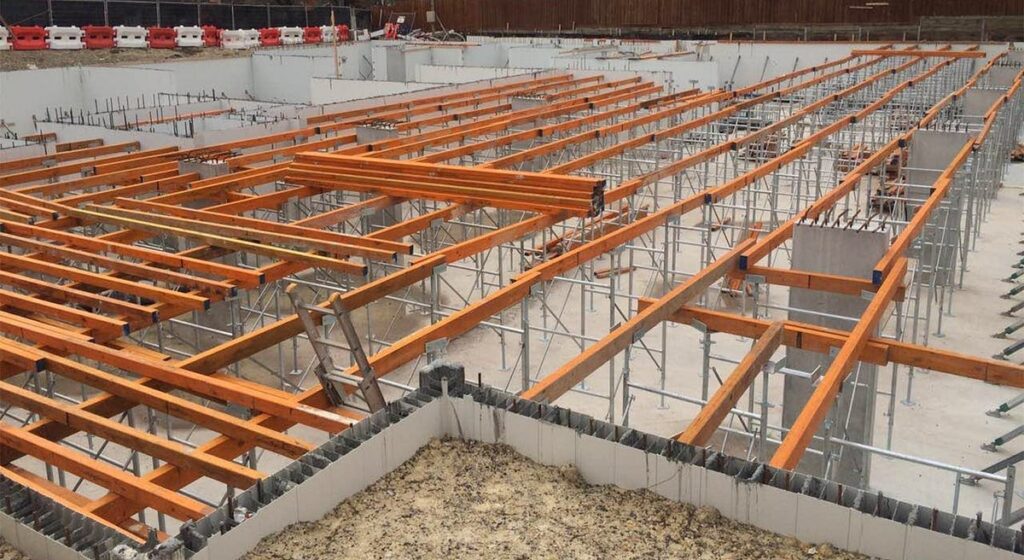
LVL (Laminated Veneer Lumber) formwork is an innovative construction technique that is gaining popularity due to its durability and efficiency. This article explores the features, benefits, and future trends of LVL formwork in the construction industry.
Understanding LVL Formwork
What is LVL Formwork?
LVL formwork is a system used in concrete construction to create temporary molds or formwork for the pouring and setting of concrete. It consists of laminated veneer lumber panels, which are made by bonding thin layers of wood veneers together with adhesives. These panels are durable, lightweight, and can be easily customized to meet different project requirements.
One of the key advantages of using LVL formwork is its high load-bearing capacity, which makes it suitable for a wide range of construction projects, from residential buildings to large-scale infrastructure developments. The smooth surface of LVL panels also ensures a high-quality finish on the concrete surface, reducing the need for additional finishing work.
Key Components of LVL Formwork
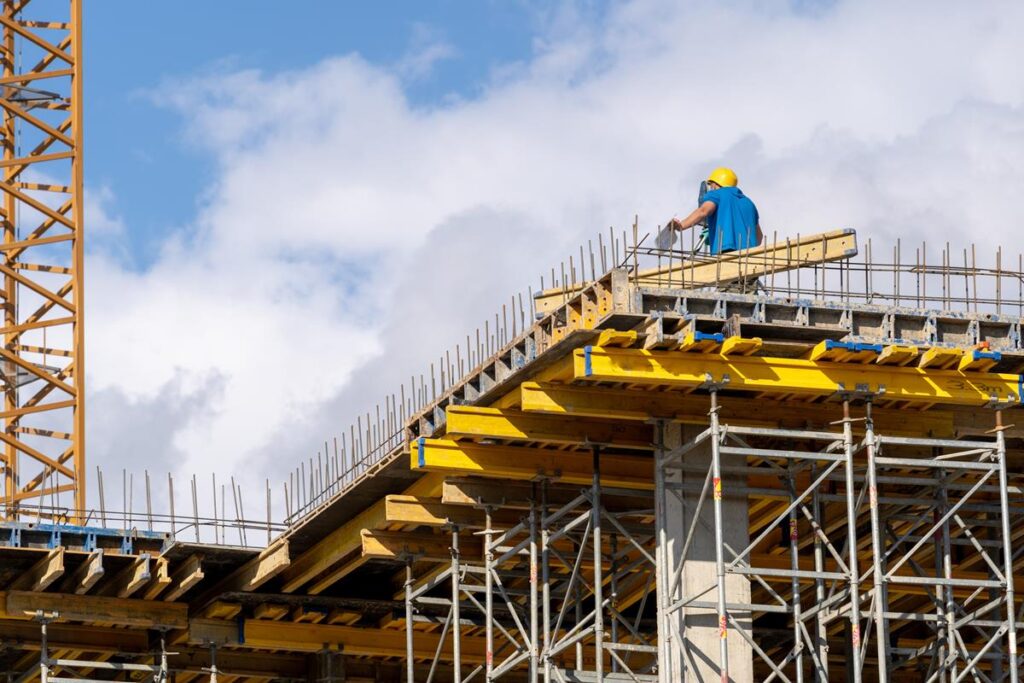
The main components of LVL formwork are the panels, beams, and connectors. The panels are the primary component that provides the formwork shape and structure. The beams are used to support the panels and distribute the loads evenly. Connectors such as bolts or clips are used to join the panels and beams together securely.
Additionally, LVL formwork systems often include accessories such as adjustable props, braces, and scaffolding to provide support and stability during the concrete pouring process. These accessories help ensure that the formwork remains in place and can withstand the pressure exerted by the wet concrete. Proper installation and bracing of LVL formwork are crucial to ensuring the structural integrity of the concrete elements being formed.
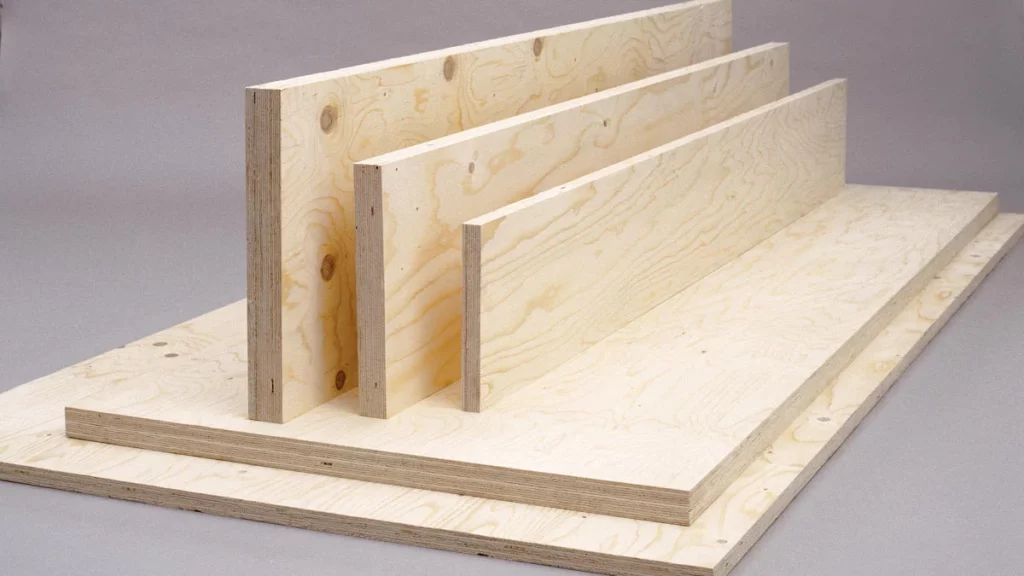
The Durability of LVL Formwork
When considering the durability of LVL (Laminated Veneer Lumber) formwork, it is essential to delve into the various factors that contribute to its robustness and longevity. LVL formwork stands out in the construction industry due to its exceptional resistance to environmental elements and wear, making it a popular choice for concrete forming applications.
Factors Contributing to LVL Formwork Durability
LVL formwork’s durability can be attributed to several key factors. Firstly, the panels are meticulously crafted from high-quality wood veneers that have undergone specialized treatment processes to enhance their resistance to rot, decay, and insect damage. This treatment not only fortifies the panels against external threats but also ensures their structural integrity over prolonged periods of use.
Moreover, the adhesives utilized in the lamination of LVL formwork play a crucial role in enhancing its durability. These adhesives are selected for their superior bonding strength, which enables the panels to withstand high concrete pressures without compromising their structural stability. This exceptional bonding capability is a testament to the meticulous manufacturing processes involved in creating LVL formwork.
Longevity and Maintenance of LVL Formwork
One of the standout features of LVL formwork is its reusability across multiple construction projects, making it a cost-effective and environmentally sustainable option for contractors. By implementing proper maintenance practices, such as regular inspections for signs of damage or wear, thorough cleaning routines, and storage in dry environments, the lifespan of LVL formwork can be significantly extended.
This emphasis on maintenance not only enhances the durability of the formwork but also ensures that it remains in optimal condition for future projects. The longevity of LVL formwork, coupled with its ease of maintenance, positions it as a practical and reliable choice for construction companies of varying scales, from large corporations to individual contractors seeking efficiency and quality in their formwork solutions.
Efficiency of LVL Formwork
Time-Saving Aspects of LVL Formwork
One of the primary advantages of LVL formwork is its efficiency in terms of time savings. The lightweight nature of the panels allows for easy handling and quick assembly on the construction site. The precise manufacturing process ensures that each panel fits perfectly, reducing the need for additional adjustments and minimizing construction delays. Furthermore, the formwork can be easily dismantled and moved to the next pour, further saving time during the construction process.
Moreover, the versatility of LVL formwork extends beyond its time-saving benefits. The panels can be easily customized to fit various shapes and sizes, allowing for flexibility in design and construction. This adaptability is particularly advantageous in projects that require unique formwork configurations, enabling contractors to efficiently tackle complex architectural requirements without compromising on speed or quality.
Cost-Effectiveness of LVL Formwork
LVL formwork offers significant cost savings compared to traditional formwork methods. The reusable nature of the panels reduces the need for continuous material investments, resulting in lower overall project costs. Additionally, the time savings achieved with LVL formwork translate into reduced labor costs and increased project efficiency. These cost-effective features make LVL formwork an attractive option for construction projects of all sizes. Read more about efficiency at https://www.ncbi.nlm.nih.gov/pmc/articles/PMC1115526/
Furthermore, the durability of LVL formwork contributes to its cost-effectiveness over the long term. The panels are designed to withstand multiple uses without compromising structural integrity, ensuring a high return on investment for contractors and developers. This longevity not only reduces the frequency of formwork replacements but also minimizes maintenance costs, making LVL formwork a sustainable and economical choice for construction projects aiming for both quality and efficiency.
Comparing LVL Formwork to Traditional Methods
LVL Formwork vs. Steel Formwork
Compared to steel formwork, LVL formwork offers several advantages. Firstly, LVL formwork is lighter, making it easier to handle and assemble on-site. Unlike steel, LVL formwork does not require additional protective coatings to prevent corrosion, reducing maintenance requirements. Additionally, LVL formwork is more cost-effective than steel, making it a preferred choice for many construction projects.
Furthermore, LVL formwork provides better insulation properties compared to steel, helping to regulate temperature and reduce energy costs in buildings. The flexibility of LVL formwork also allows for intricate designs and shapes to be easily achieved, providing architects and engineers with more creative freedom in their construction projects. Additionally, LVL formwork is known for its smooth surface finish, reducing the need for extensive finishing work after concrete pouring, saving both time and labor costs. To learn more about insulation click here.
LVL Formwork vs. Timber Formwork
While both LVL and timber formwork are wooden materials, LVL formwork offers distinct advantages over traditional timber formwork. LVL panels are manufactured under controlled conditions, ensuring consistent quality and strength. They are less prone to warping or twisting, resulting in precise formwork shapes and reducing the need for additional adjustments during construction. Moreover, LVL formwork’s durability and reusability make it a more sustainable and cost-effective alternative to timber formwork.
In addition to its structural benefits, LVL formwork is also environmentally friendly, as it is often made from sustainably sourced wood fibers and can be recycled at the end of its lifespan. The dimensional stability of LVL formwork ensures that it maintains its shape and strength over time, providing long-term reliability for construction projects. Furthermore, the smooth surface of LVL formwork allows for easy cleaning and maintenance, contributing to a safer and more efficient construction site environment.
Future Trends in LVL Formwork
Technological Advancements in LVL Formwork
As technology continues to advance, so does the development of LVL formwork. New manufacturing techniques and adhesives are being developed to enhance the strength and durability of LVL panels. Automated assembly and dismantling processes are also being explored, further improving the efficiency and time-saving aspects of LVL formwork.
Moreover, researchers are delving into the realm of nanotechnology to enhance the properties of LVL formwork. By incorporating nanomaterials into the manufacturing process, LVL panels can exhibit improved resistance to moisture, fire, and pests. This cutting-edge approach not only enhances the performance of LVL formwork but also opens up possibilities for creating ultra-lightweight yet incredibly strong formwork solutions.
Sustainability and LVL Formwork
Sustainability is an essential aspect of modern construction practices, and LVL formwork aligns well with this focus. The use of renewable wood resources in LVL panels reduces the reliance on non-renewable materials. Additionally, the durability and reusability of LVL formwork contribute to reduced waste generation and a lower carbon footprint. As sustainability becomes an increasing priority, the demand for LVL formwork is expected to grow.
Furthermore, the concept of circular economy is gaining traction in the construction industry, and LVL formwork fits perfectly into this model. By designing LVL formwork systems with disassembly and reusability in mind, the construction sector can significantly reduce its environmental impact. This approach not only conserves resources but also promotes a more sustainable construction ecosystem for future generations.
Learn more: Formwork LVL Innovative Solutions for Modern Construction