
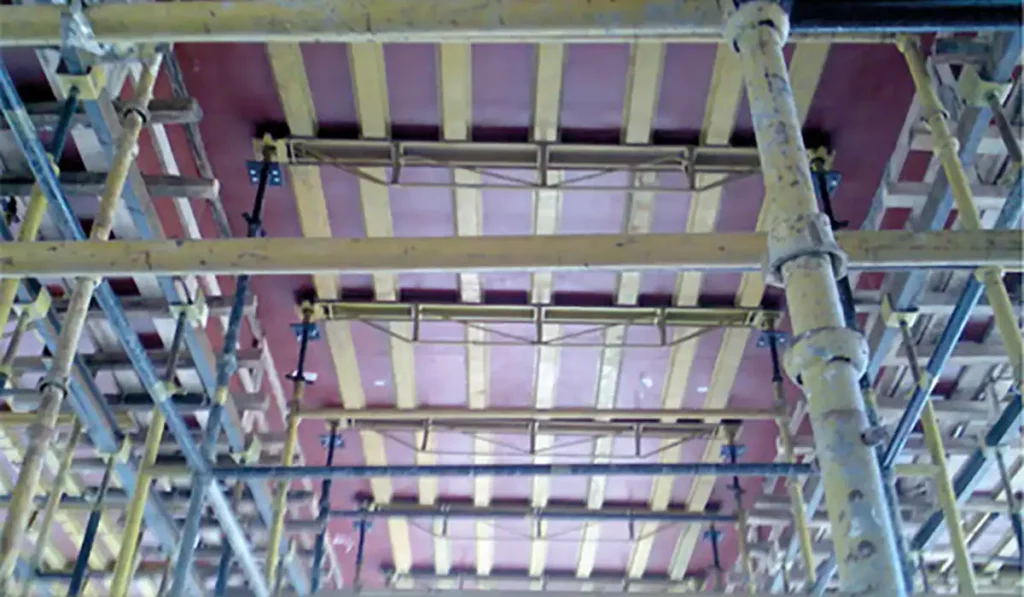
Formwork LVL, also known as Formwork Laminated Veneer Lumber, is a revolutionary material that has transformed the construction industry. With its unique characteristics and capabilities, Formwork LVL offers a range of benefits that make it an ideal choice for modern construction projects. In this article, we will explore the definition and key features of Formwork LVL, its role in construction, the innovation behind its production, the benefits of using it, and the future trends associated with this remarkable material.
Understanding Formwork LVL
Formwork LVL is a specially engineered wood product that is designed to provide structural support during the construction process. It is made by laminating thin layers of wood veneers together with adhesive, resulting in a strong and durable material that can withstand significant loads and pressures. The key features of Formwork LVL include its strength, dimensional stability, and versatility.
Definition and Key Features of Formwork LVL
Formwork LVL, as mentioned earlier, stands for Formwork Laminated Veneer Lumber. It is an engineered wood product that is manufactured by bonding multiple layers of wood veneers using adhesive. These veneers are carefully selected and arranged to ensure uniform strength and stability throughout the material. The resulting Formwork LVL panels offer excellent structural support and durability.
But what makes Formwork LVL truly remarkable is its exceptional strength-to-weight ratio. This means that despite being lightweight, it possesses incredible load-bearing capabilities. This makes it an ideal choice for construction projects that require robust structural support.
Moreover, dimensional stability is another standout feature of Formwork LVL. Unlike traditional lumber, which is prone to shrinkage, expansion, and warping, Formwork LVL exhibits minimal to no such issues. This ensures that the material maintains its precise dimensions and stability, even under varying environmental conditions.
Furthermore, the versatility of Formwork LVL cannot be overstated. It can be easily cut, shaped, and customized to fit various construction requirements. Whether it’s beams, columns, walls, or other structural elements, Formwork LVL can be tailored to meet the specific needs of any project. This adaptability makes it a preferred choice among architects and contractors alike.
The Role of Formwork LVL in Construction
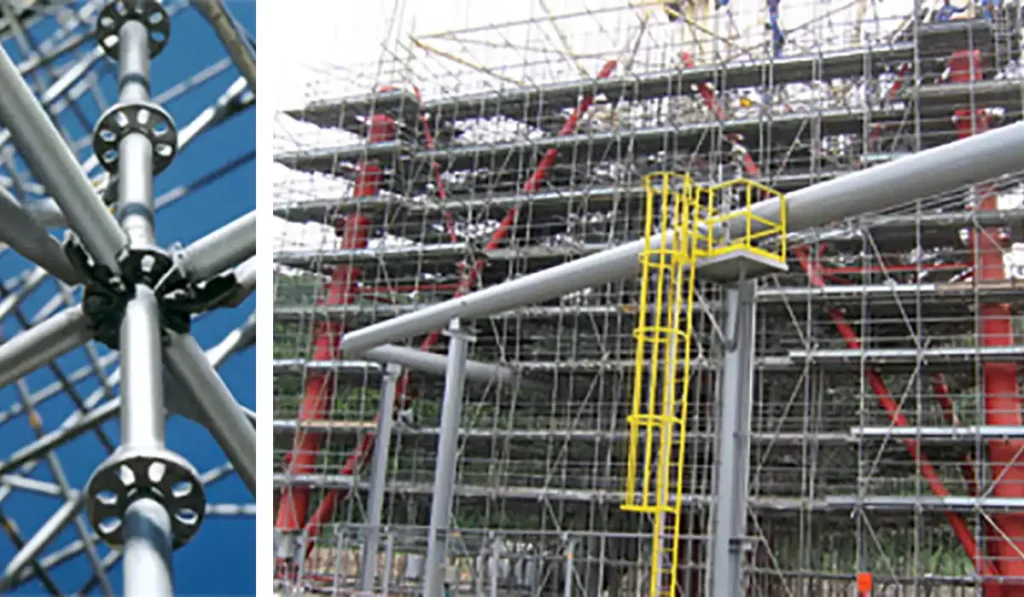
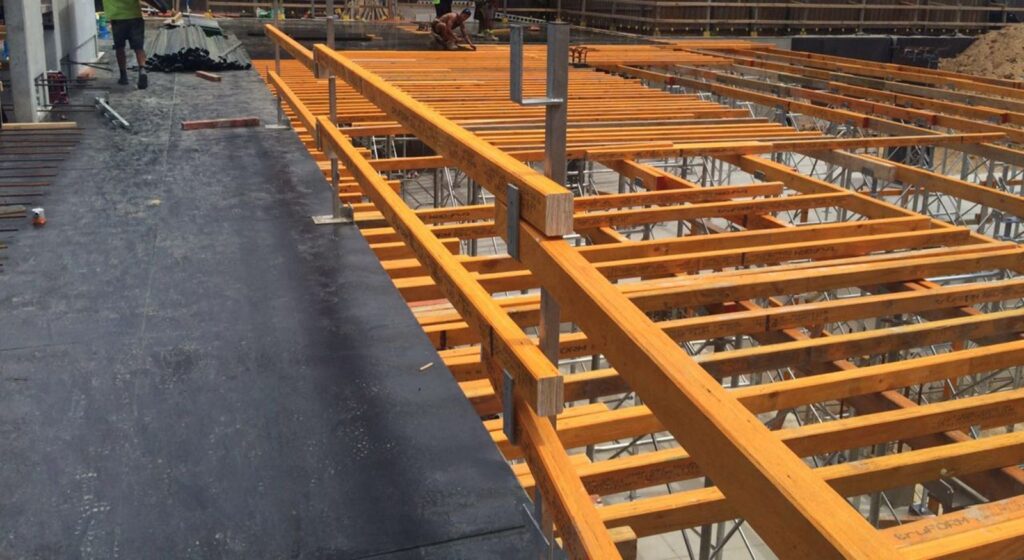
In construction, Formwork LVL plays a crucial role in providing temporary support for concrete structures. It is primarily used as a formwork system, which serves as a mold for pouring concrete. Formwork LVL panels are assembled to create a framework that defines the shape and structure of the concrete element being cast.
But what sets Formwork LVL apart from traditional formwork materials, such as plywood and steel? The answer lies in its unique properties. The high strength of Formwork LVL ensures that it can withstand the immense pressure exerted by the wet concrete, preventing any deformation or failure of the formwork. This not only enhances the efficiency of the construction process but also contributes to the overall safety of the project.
Additionally, the dimensional stability of Formwork LVL eliminates the need for constant adjustments and rework. This saves valuable time and resources, allowing construction projects to stay on schedule and within budget. Moreover, the versatility of Formwork LVL enables contractors to easily modify the formwork system as per the evolving needs of the project, ensuring maximum flexibility and adaptability.
Formwork LVL is truly a game-changer in the construction industry. Its strength, dimensional stability, and versatility make it an indispensable material for any project that demands reliable and efficient structural support. With Formwork LVL, builders can construct with confidence, knowing that their structures are built to last.
The Innovation Behind Formwork LVL
Formwork LVL has undergone significant technological advancements to enhance its production process and improve its overall performance. These innovations have contributed to the sustainability and efficiency of Formwork LVL, making it an increasingly popular choice in the construction industry.
Read more: LVL Formwork Enhancing Durability and Efficiency
Technological Advances in Formwork LVL Production
Modern manufacturing techniques have revolutionized the production of Formwork LVL. Computer-controlled systems ensure precise veneer selection and alignment, resulting in consistent quality and strength. The use of advanced adhesives enhances the bonding between veneer layers, ensuring a durable and long-lasting material.
But the innovation doesn’t stop there. The production of Formwork LVL has also benefited from the integration of state-of-the-art sensors and monitoring systems. These technologies allow for real-time data collection, ensuring that each piece of Formwork LVL meets the highest standards of quality control. From moisture content to dimensional accuracy, every aspect of the production process is closely monitored to guarantee optimal performance.
Furthermore, the introduction of automated processes has increased the production efficiency of Formwork LVL. This allows for faster manufacturing and reduced lead times, making it a cost-effective solution for construction projects. The automated systems not only streamline the production process but also minimize human error, resulting in consistently high-quality Formwork LVL. Read more about efficiency at https://www.ncbi.nlm.nih.gov/pmc/articles/PMC1115526/
Sustainability and Efficiency of Formwork LVL
Formwork LVL is manufactured from sustainable and renewable wood sources, making it an environmentally friendly option for construction. The use of engineered wood products reduces the dependence on traditional solid wood, thereby preserving natural resources.
But the sustainability of Formwork LVL goes beyond its raw materials. The production process itself is designed to minimize waste and energy consumption. By optimizing the use of resources and implementing efficient manufacturing techniques, Formwork LVL manufacturers are able to reduce their environmental footprint.
Additionally, Formwork LVL’s durability and reusability contribute to its overall efficiency. Unlike traditional formwork materials, which are often discarded after a single use, Formwork LVL can be used multiple times, reducing waste generation and saving costs in the long run. This not only benefits the environment but also improves the economic viability of construction projects.
Furthermore, the modular nature of Formwork LVL allows for easy assembly and disassembly, reducing labor and time requirements on construction sites. This efficiency translates into faster project completion and increased productivity.
With its technological advancements, sustainability, and efficiency, Formwork LVL continues to push the boundaries of innovation in the construction industry. As the demand for environmentally friendly and cost-effective building materials grows, Formwork LVL stands at the forefront, providing a reliable and forward-thinking solution for construction projects of all sizes.
Benefits of Using Formwork LVL in Modern Construction
The utilization of Formwork LVL offers numerous benefits that make it an attractive choice for modern construction projects. From its durability and strength to its cost-effectiveness, Formwork LVL has proven to be a game-changer in the industry.
Formwork Laminated Veneer Lumber (LVL) is a versatile and reliable material that is widely used in construction for various applications. Its composition of thin layers of wood veneer bonded together with adhesives results in a product that is not only strong but also resistant to warping and twisting, ensuring structural integrity over time. This durability makes Formwork LVL an ideal choice for projects that require long-lasting and robust formwork systems.
Durability and Strength of Formwork LVL
Formwork LVL’s exceptional durability ensures that it can withstand the rigors of construction sites and various environmental conditions. Its high strength-to-weight ratio allows for efficient load-bearing, reducing the need for additional structural support. This, in turn, translates into cost savings and faster construction timelines.
In addition to its physical strength, Formwork LVL also offers excellent dimensional stability, meaning it maintains its shape and size under different moisture and temperature conditions. This stability is crucial in construction, where precise measurements and alignments are essential for the success of the project. The consistent performance of Formwork LVL helps contractors achieve accuracy and reliability in their formwork, leading to high-quality concrete finishes and overall structural stability. Click here to read more about temperature.
Cost-Effectiveness of Formwork LVL
Using Formwork LVL can lead to significant cost savings in construction projects. Its reusability means that it can be utilized in multiple projects, reducing the need for new formwork materials. Additionally, its dimensional stability and precision shape ensure minimal formwork adjustments and wastage, optimizing material usage and reducing overall project costs.
Furthermore, the lightweight nature of Formwork LVL makes it easier to handle and install on-site, reducing labor costs associated with heavy lifting and transportation. Its smooth surface finish also contributes to faster concrete pours and formwork removal, accelerating construction schedules and improving productivity. Overall, the cost-effectiveness of Formwork LVL makes it a preferred choice for contractors looking to maximize efficiency and profitability in their projects.
Future Trends in Formwork LVL
The future of Formwork LVL looks promising, with continued advancements in technology and growing awareness of sustainable construction practices. Several trends are expected to shape the development and usage of Formwork LVL in the years to come.
Predicted Developments in Formwork LVL Technology
Advancements in manufacturing techniques and adhesive technologies are likely to further enhance the strength, durability, and performance of Formwork LVL. This will lead to even more efficient construction processes and structures that can withstand greater loads and pressures.
One of the predicted developments in Formwork LVL technology is the integration of smart sensors and monitoring systems. These sensors will be embedded within the LVL panels, allowing real-time data collection and analysis of various parameters such as load distribution, moisture content, and temperature. This information will enable construction professionals to make more informed decisions, ensuring the safety and integrity of the structures.
Impact of Formwork LVL on Future Construction Projects
The increased adoption of Formwork LVL in construction projects will not only result in more sustainable and cost-effective buildings but also revolutionize the way structures are designed and constructed. The use of this innovative material will allow for the creation of complex and efficient building designs with greater ease and precision.
In addition to its impact on design, Formwork LVL will also contribute to the reduction of construction waste. Traditional formwork materials such as plywood and timber are often discarded after a single use, leading to significant waste generation. However, Formwork LVL can be reused multiple times, reducing the need for new materials and minimizing environmental impact.
Furthermore, the versatility of Formwork LVL opens up new possibilities for architectural expression. Its ability to be easily shaped and molded allows for the creation of unique and aesthetically pleasing structures that were previously challenging to achieve. Architects and designers can explore innovative forms and geometries, pushing the boundaries of what is possible in construction.
In conclusion, Formwork LVL is a game-changer in the construction industry, offering innovative solutions for modern construction projects. Its exceptional strength, dimensional stability, and sustainability make it an ideal choice for various applications. As technology continues to evolve and construction practices become more environmentally conscious, the future of Formwork LVL looks promising, paving the way for more efficient and sustainable buildings.