
In today’s rapidly evolving infrastructure landscape, the importance of cable locating services cannot be overstated. These services play a crucial role in ensuring that utility projects are completed on time and without damaging existing underground utilities. By leveraging advanced technologies and expert knowledge, cable locating services help prevent costly disruptions and enhance overall project efficiency.“`html
Understanding the Importance of Cable Locating Services
Cable locating services are essential for anyone involved in excavation, construction, or utility maintenance. These services are designed to identify and map the locations of underground utilities, including electrical, water, gas, and telecommunication lines. Failure to accurately locate these utilities before beginning work can lead to significant risks, including accidents, service interruptions, and financial liabilities.
One of the primary advantages of utilizing cable locating services is the mitigation of risks associated with accidental utility strikes. When construction workers unknowingly disturb buried cables or pipes, the consequences can be dire. From electrical shocks to gas leaks, the dangers can threaten worker safety and public health. Thus, understanding where these utilities lie is paramount to ensuring a safe working environment.
Furthermore, the financial implications of utility damage can be staggering. Repair costs can escalate rapidly, leading to project delays and the possibility of legal claims from utility companies. Consequently, hiring professional cable locating services serves as a proactive measure to avoid these unexpected expenses and maintain project timelines.
Technology Behind Cable Locating Services
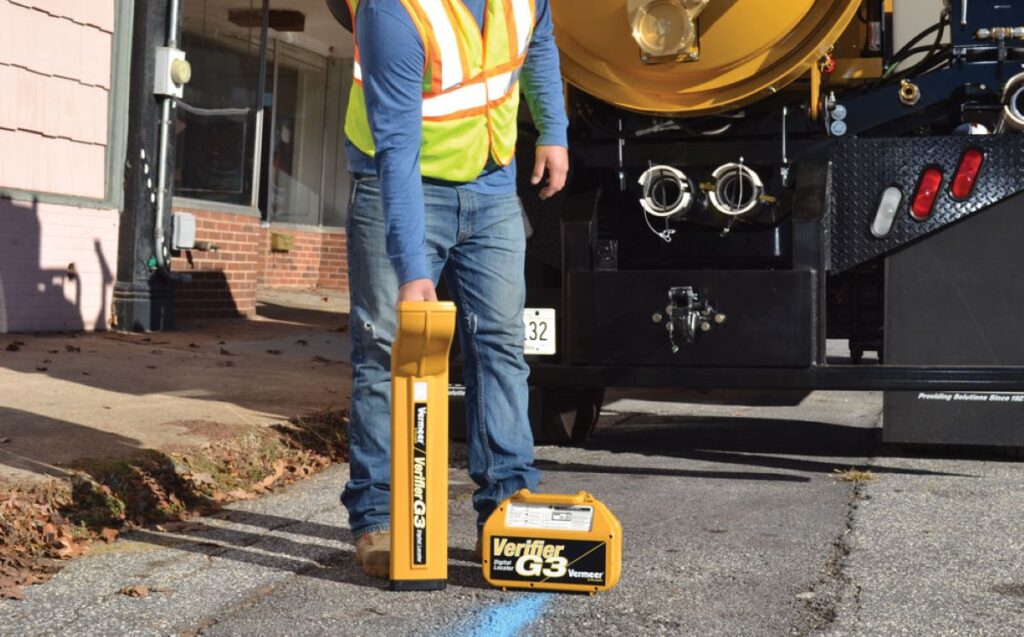
Modern cable locating services employ a variety of advanced technologies to accurately detect and map underground utilities. These technologies include electromagnetic locating equipment, ground-penetrating radar (GPR), and acoustic detection methods. Each technology has its unique strengths and is often chosen based on the specific requirements of a project.
Electromagnetic locating uses a transmitter to send signals through the ground, helping to identify the pathways of conductive materials like metal pipes and cables. This method is particularly effective for locating electrical lines and other metallic utilities. In contrast, ground-penetrating radar utilizes electromagnetic waves to create images of what lies beneath the surface, allowing for the detection of non-metallic utilities as well.
Mitigating Delays Through Accurate Planning
Effective project planning is rooted in accurate data about existing utility infrastructure. Cable locating services provide this critical information, enabling project managers to devise efficient work plans that minimize potential disruptions. By knowing the exact locations of utilities, construction teams can adjust their excavation strategies accordingly, reducing the risk of delays due to unexpected utility strikes.
Additionally, obtaining an accurate utility map from locating services allows project stakeholders to identify potential conflicts well in advance. This foresight enables teams to have discussions and coordinate with utility companies, making necessary adjustments or relocations before project commencement. Consequently, projects can progress smoothly with fewer interruptions and a streamlined workflow.
Moreover, the integration of cable locating services into the planning phase not only enhances safety but also fosters a culture of responsibility among construction teams. By prioritizing the identification of underground utilities, companies demonstrate their commitment to worker safety and environmental stewardship. This proactive approach can significantly enhance a company’s reputation, attracting more clients who value safety and efficiency in their projects.
In addition to safety and financial considerations, the environmental impact of construction activities cannot be overlooked. Accidental damage to underground utilities can lead to hazardous spills or leaks, which may have detrimental effects on local ecosystems. By utilizing cable locating services, companies can minimize their environmental footprint, ensuring that their operations do not inadvertently harm the surrounding area. This aspect of responsible construction is becoming increasingly important in today’s environmentally-conscious society, where stakeholders expect businesses to operate sustainably.“`
Best Practices for Using Cable Locating Services
While hiring cable locating services is invaluable, there are several best practices to follow to ensure that the process yields optimal results. Engaging with professionals who have a strong reputation and are equipped with the latest technology is imperative. Before selecting a provider, it is essential to check their certifications, experience, and customer reviews.
Moreover, it is crucial to involve cable locating professionals from the initial stages of a project. Waiting until the excavation phase to engage these services can lead to rushed decisions and increased risks. By incorporating cable locating into the planning phase, teams can develop a comprehensive understanding of the subsurface landscape, ensuring all stakeholders are prepared. Early involvement not only enhances safety but also aids in budgeting and scheduling, as potential delays caused by unexpected utility strikes can be mitigated.
Interpreting Utility Maps
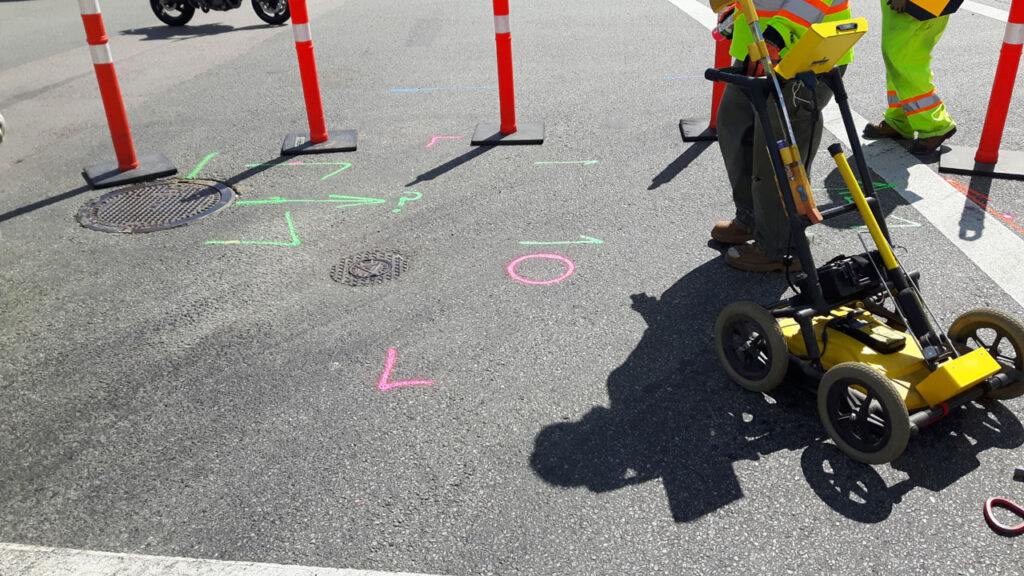
Once cable locating services have been employed, the next step involves interpreting the utility maps generated from the survey. These maps often include information about the type, size, and depth of various utilities, providing invaluable insights to construction teams. Understanding how to accurately read and apply this information is essential for safe excavation practices.
It is beneficial for team members to receive training on interpreting these maps and understanding the implications of various markings. This knowledge empowers workers to make informed decisions and fosters a culture of safety on-site. Ensuring that everyone involved in the project is equipped with this knowledge can significantly reduce risks associated with utility damage. Additionally, regular refresher courses can help keep the team updated on any new technologies or changes in regulations, further enhancing their ability to work safely and efficiently. Get about safer underground utilities on site https://www.fsc.gov.au/node/79.
Collaboration with Utility Companies
Another critical aspect of effectively utilizing cable locating services is the collaboration with utility companies. Once the utility locations are identified, it is advisable to communicate these findings with the relevant utility providers. Collaborating with these companies can provide further insights and confirm the accuracy of the locating services.
Moreover, utility companies often have access to additional information about their infrastructure, which may not be fully captured during the initial surveying process. Engaging with them can also facilitate the permitting process and ensure compliance with local regulations, ultimately contributing to a more successful project outcome. Establishing a good working relationship with utility providers can lead to quicker response times in case of emergencies, such as accidental utility strikes, and can also help in negotiating access to their facilities for future projects, thereby streamlining operations and reducing downtime.
Conclusion: The Future of Cable Locating Services
As urban environments continue to grow and evolve, the role of cable locating services will only become more pronounced. With advancements in technology, including AI and machine learning, we can expect the accuracy and efficiency of these services to improve significantly. These tools will likely enable more proactive measures in utility management, making it easier to navigate complex underground landscapes.
Ultimately, cable locating services are not just a safety precaution but a critical factor in optimizing project timelines and budgets. By employing these services, construction teams can prevent costly delays, ensure worker safety, and maintain efficient workflows. As the construction industry continues to innovate, integrating advanced cable locating services will undoubtedly play a vital role in shaping the future of utility management.
More to Read : Pipe Location Services: Ensuring Safe Excavation and Digging