
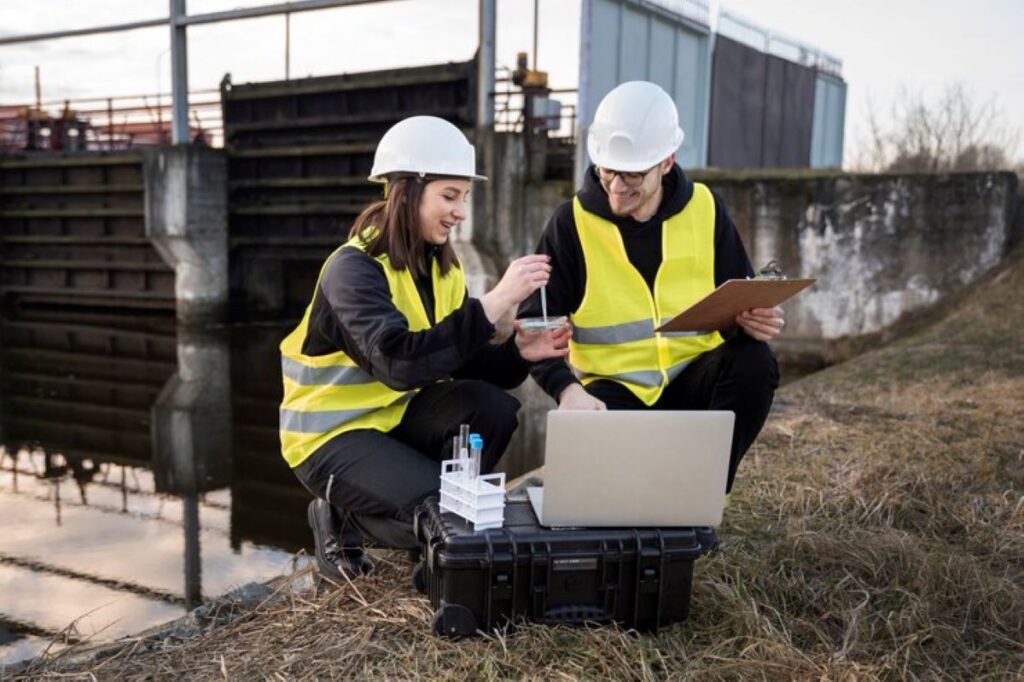
When it comes to excavation and digging, safety and precision are paramount. Ignoring the intricacies of underground utilities can lead to hazardous situations, costly damages, and delays in construction projects. Pipe location services play a crucial role in identifying the location of buried utilities and ensuring safe excavation practices. In this article, we will delve into the importance of these services, their methodologies, and the technologies involved in accurate underground utility detection.
Understanding the Importance of Pipe Location Services
Pipe location services are instrumental in minimizing risk during excavation activities. They help identify buried utilities, including gas pipelines, water mains, sewer lines, and electrical conduits. The significance of accurately locating these utilities cannot be overstated; striking a utility line can lead to hazardous situations, such as gas leaks or electrical failures, while also resulting in substantial financial losses and project delays. The complexity of underground infrastructure often means that multiple utilities may be located in close proximity to one another, making the need for precise location services even more critical. This complexity is compounded by the fact that many older cities have utility maps that may not reflect current conditions, further emphasizing the necessity of professional pipe location services.
Moreover, many jurisdictions require the use of pipe location services before any excavation work begins. This legal requirement is designed to protect workers and the public, ensuring that everyone is aware of existing underground infrastructure. By utilizing these services, contractors can adhere to safety regulations and avoid potential liabilities associated with damages or accidents. Furthermore, these services often include the use of advanced technologies such as ground-penetrating radar (GPR) and electromagnetic detection, which enhance the accuracy of locating utilities and provide detailed insights into the subsurface environment. This technological integration not only aids in compliance with legal standards but also fosters a culture of safety and responsibility in construction practices.
Preventing Accidents and Hazards
One of the primary motivations for utilizing pipe location services is the prevention of accidents. Striking a buried utility line during excavation can cause serious injuries, environmental damage, and costly repairs. In some cases, such accidents can even result in fatalities. By employing professional pipe location services, contractors can significantly reduce the risk of these incidents. The potential for accidents is not just a concern for workers; it extends to the surrounding community, where disruptions can affect local businesses and residents. Therefore, the implications of effective pipe location services resonate beyond the immediate project, contributing to the overall safety and well-being of the community.
Assessing the locations of underground utilities also aids in developing comprehensive site plans. When contractors have accurate information about utility placements, they can design excavation strategies that avoid these hazards altogether, ensuring the safety of workers and the public alike. Additionally, having this information readily available allows for better communication among project stakeholders, including engineers, architects, and local authorities. This collaborative approach fosters a more efficient workflow and helps to preemptively address any potential issues that may arise during the excavation process, ultimately leading to a smoother project execution.
Cost-Efficiency and Time Savings
Investing in pipe location services ultimately contributes to cost efficiency and time savings for excavation projects. While there is a cost associated with these services, the expenses incurred from damages resulting from hitting underground utilities can far surpass them. Additionally, delays caused by utility strikes can lead to extensive downtime, disrupting schedules and affecting overall project timelines. The financial implications of such disruptions can ripple through a project, impacting not just immediate costs but also long-term profitability and client satisfaction.
By locating utilities before starting excavation, contractors can enhance their operational efficiency. With a clear understanding of the site, they can allocate resources appropriately and streamline the construction process, ultimately improving productivity and reducing project costs. Moreover, the proactive identification of utility locations can lead to better project planning, allowing for the scheduling of necessary utility relocations or adjustments well in advance. This foresight not only mitigates risks but also fosters a more strategic approach to project management, ensuring that all aspects of the excavation are well-coordinated and executed in a timely manner.
Technologies Used in Pipe Location Services
Pipe location services leverage advanced technologies to ensure accuracy and reliability in utility detection. Understanding these technologies helps clients make informed decisions about which services to utilize for their projects. Below are some of the primary techniques employed in pipe location services.
Electromagnetic Locating
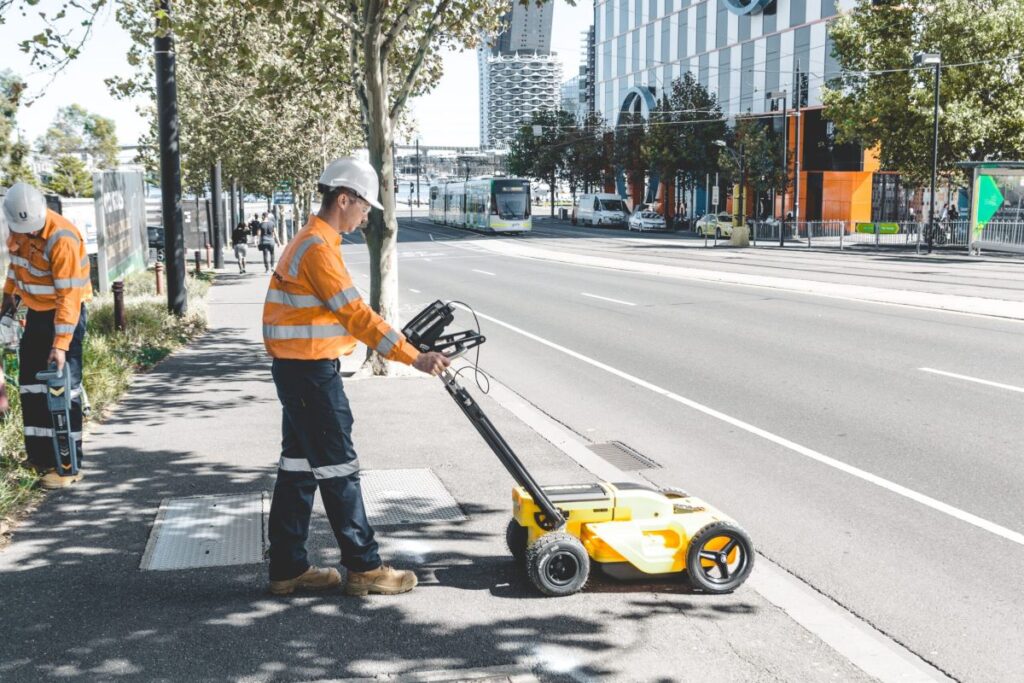
Electromagnetic locating is one of the most widely used methods for detecting buried utilities. This technology works by sending an electromagnetic signal through the utilities, allowing locators to identify their location by tracing the signal’s path. It is particularly effective for metallic pipes and cables, but with the right equipment, it can also locate non-metallic pipes when equipped with a specific tracer wire.
The advantages of electromagnetic locating include quick mobilization and ease of use. However, it may have limitations in certain environments where electromagnetic signals can be disrupted, such as areas with extensive soil interference. Additionally, electromagnetic locating is often complemented by other methods to enhance accuracy, especially in complex urban settings where multiple utilities may be buried in close proximity.
Ground Penetrating Radar (GPR)
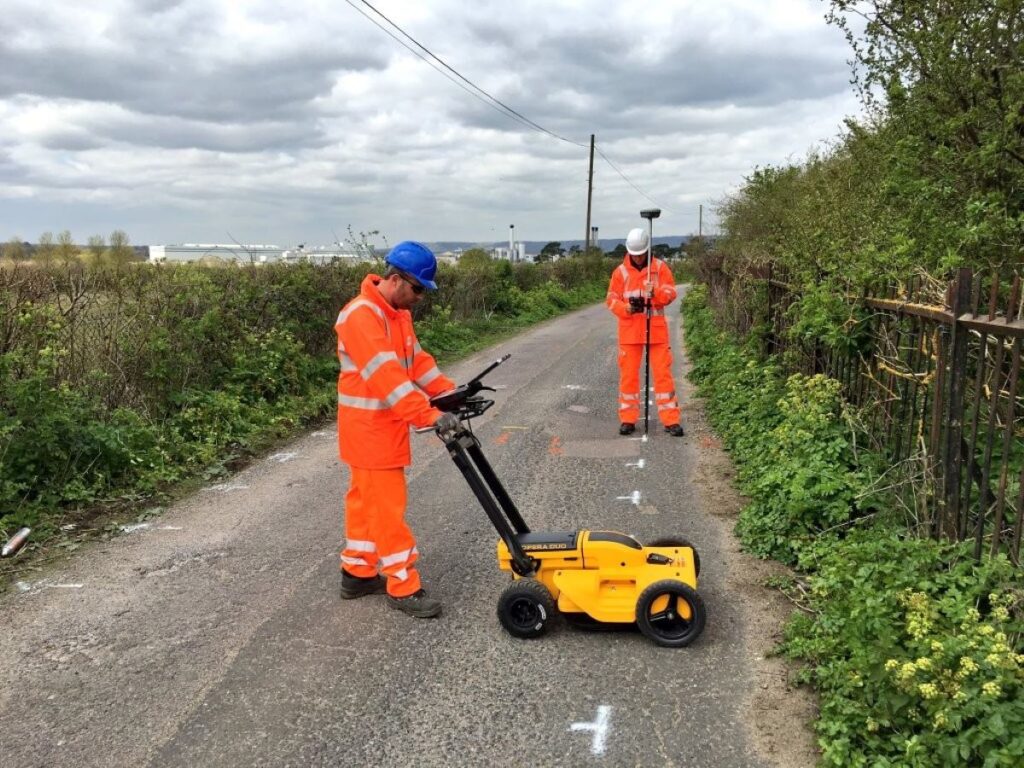
Ground penetrating radar (GPR) is another advanced technique used in pipe location services. This method involves transmitting radar pulses into the ground and interpreting the reflected signals to identify buried utilities. GPR is capable of detecting various types of materials, including plastic, concrete, and metal, making it a versatile choice for locating different utilities.
GPR can reveal relative depth and size, providing valuable information about the utilities beneath the surface. The ability to capture a wide range of data allows for greater insight during excavation planning but requires skilled operators to interpret the results accurately. Moreover, GPR technology is increasingly being integrated with software solutions that can create detailed 3D models of subsurface utilities, enabling engineers and contractors to visualize the layout of underground infrastructures more effectively. This integration not only improves project efficiency but also minimizes the risk of accidental utility strikes during construction, which can lead to costly delays and safety hazards.
Choosing the Right Pipe Location Service Provider
When selecting a provider for pipe location services, clients should consider several crucial factors to ensure they choose a reputable and capable service. Here are some key points to keep in mind during the selection process:
Experience and Expertise
The experience of the service provider is paramount. Companies with a strong track record in locating underground utilities are better equipped to handle the complexities that may arise during the process. Look for providers who are familiar with the specific types of utilities relevant to your project and have documented success in similar situations.
Additionally, the expertise of the personnel conducting the locations is crucial. Well-trained professionals with knowledge of various locating technologies can deliver more accurate results and better service overall. It’s also beneficial to check if the team members hold relevant certifications or licenses, as these credentials often indicate a higher level of professionalism and commitment to safety standards.
Technology and Equipment
Evaluate the technology and equipment used by potential service providers. The latest innovations in pipe location technologies can lead to improved accuracy and efficiency. Ensure that the company employs state-of-the-art equipment, including GPR and electromagnetic locating tools, to deliver reliable results.
Moreover, inquire about their methodologies and how they integrate multiple technologies for comprehensive solutions. A provider that uses a combination of techniques is likely to achieve better results, particularly in challenging environments. For instance, the integration of ground-penetrating radar (GPR) with GPS mapping can provide a more detailed view of underground utilities, allowing for precise planning and execution of excavation projects. Additionally, understanding how often the company updates its equipment can give you insight into their commitment to maintaining high standards and adapting to new industry developments. Check out more about How Cable Locating Services Prevent Utility Damage and Delays.
Furthermore, consider the importance of data management and reporting. A reputable service provider should not only locate pipes accurately but also provide detailed documentation of their findings. This includes maps, photographs, and reports that can be invaluable for future reference and compliance with local regulations. The ability to access this data in a user-friendly format can significantly enhance project planning and risk management, making it easier for clients to make informed decisions throughout the lifecycle of their projects.
Conclusion
Pipe location services are a critical component of safe excavation and digging practices. By understanding the importance of these services, utilizing the right technologies, and choosing a competent provider, contractors and project managers can mitigate risks associated with underground utilities. Investing in these services not only safeguards personnel and the public but also enhances project efficiency and reduces overall costs.
As construction and excavation projects continue to evolve, staying informed about the best practices in utility detection remains essential. Prioritizing safety and accuracy through reliable pipe location services will ultimately drive positive outcomes in any excavation endeavor.