
What Are Reo Bars and Why Is Their Safety Crucial?
Reinforcement bars, commonly known as reo bars, form the backbone of modern reinforced concrete structures across Australia. These steel bars work as the tensile strength component in concrete construction, compensating for concrete’s natural weakness under tension whilst maintaining exceptional compressive strength.
The significance of reo bars extends far beyond simple reinforcement. Each bar features distinctive ridges along its surface, creating a mechanical bond with surrounding concrete that prevents slippage under load. This ribbed pattern ensures the steel and concrete work together as a composite material, distributing forces throughout the entire structure.
Critical Impact on Structural Performance
Reobars directly influence two fundamental aspects of construction:
- Tensile strength enhancement – transforming brittle concrete into a ductile, flexible material
- Long-term durability – providing resistance against cracking, settling, and environmental stresses
The consequences of improper handling or installation create serious risks for structural integrity. Bent bars lose their designed strength capacity, whilst incorrect placement can lead to:
- Reduced load-bearing capacity
- Premature concrete failure
- Costly structural repairs
- Potential safety hazards for occupants
Construction professionals must recognise that every aspect of reo bar handling—from storage through installation—affects the final structure’s performance. Poor practices during these critical phases can compromise decades of structural reliability, making proper reo bar safety essential knowledge for any construction team.
How Should Workers Properly Handle Reo Bars on Site?
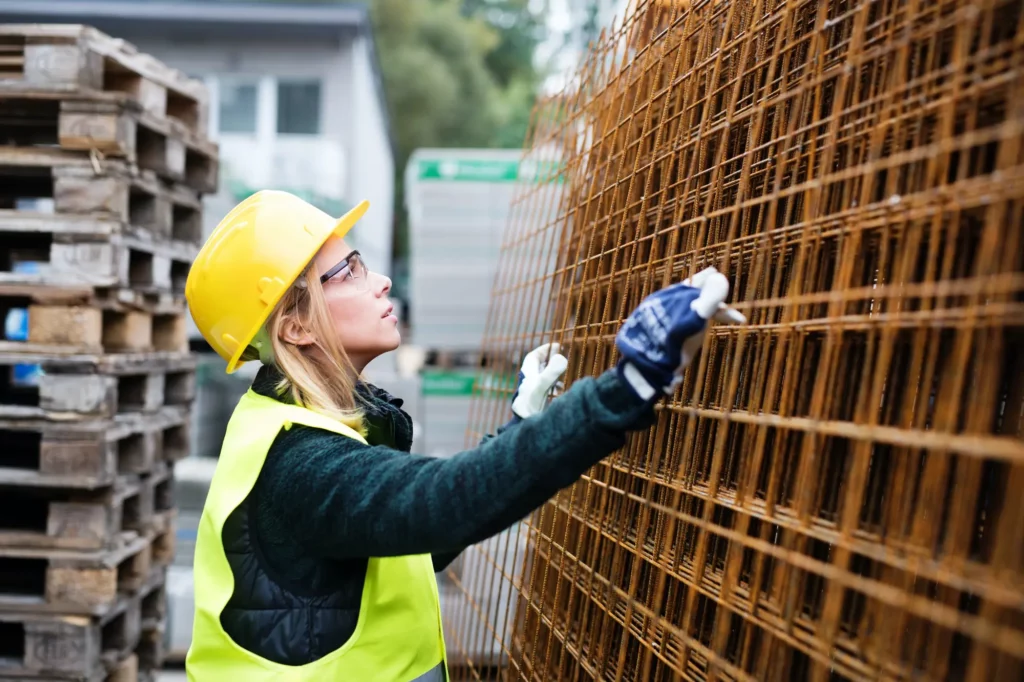
Reo bar handling techniques begin with comprehensive personal protection. Workers must equip themselves with essential PPE for construction workers before touching any reinforcement steel. Heavy-duty leather gloves protect hands from sharp edges and splinters, whilst safety glasses shield eyes from metal fragments during cutting or bending operations. Hard hats remain mandatory protection against falling objects, and steel-toe boots provide crucial foot protection when bars accidentally drop.
Lifting reo bars safely requires proper body mechanics to prevent back injuries. You should position yourself close to the load, bend your knees whilst keeping your back straight, and engage your leg muscles to power the lift. Never twist your spine whilst carrying reo bars – instead, move your feet to change direction. For bars exceeding 25 kilograms or awkward lengths, mechanical lifting aids become essential.
Crane attachments, lifting magnets, and reo bar trolleys eliminate manual handling risks for heavy reinforcement. These tools prove particularly valuable when moving bundles of multiple bars or positioning long spans at height. You’ll find that investing in proper lifting equipment reduces worker fatigue and prevents costly injuries.
Site organisation plays a critical role in preventing accidents. Clear walkways between storage areas and work zones eliminate tripping hazards created by scattered reinforcement. Designated cutting and bending areas keep sharp tools contained, whilst proper lighting ensures workers can identify potential hazards. Regular housekeeping removes offcuts and debris that create slip risks around reo bar installations.
Moreover, it’s crucial to follow specific hazard identification guidelines for steel reinforcement fixing to further enhance safety on site.
What Are the Best Practices for Safe Storage of Reo Bars?
Proper reo bar storage guidelines are crucial for ensuring safety on construction sites and maintaining the quality of materials. Here are some best practices to follow:
Elevate Reinforcement Bars
Always keep all reinforcement bars off the ground by using raised platforms or pallets with timber bearers. This prevents direct contact with the ground and protects the bars from moisture absorption and contamination that could affect their strength.
Use Waterproof Protection Outdoors
When storing reo bars outside, it’s important to protect them from rain and water damage. Cover all stored materials with heavy-duty waterproof tarps specifically designed for construction use. Make sure these tarps have proper drainage slopes to direct water away from the storage area, preventing any pooling that could lead to rusting.
Organise by Material Grade and Type
To prevent corrosion of reo bars, it’s essential to organise them systematically based on their material grade and type. Set up designated storage zones for different specifications such as:
- Grade 250 bars in clearly marked sections
- Grade 500 bars separated from lower grades
- Epoxy-coated bars isolated from standard steel
- Stainless steel reinforcement stored in dedicated areas
Ensure Ventilation and Lighting in Enclosed Spaces
If you’re storing reo bars in enclosed areas, make sure there is adequate ventilation and lighting. This will help prevent moisture buildup and provide enough light for safe identification and handling of materials.
Stack Properly Using Spacers
When organising construction materials, pay attention to how you stack them. Use spacers between layers of bars to avoid any deformation caused by weight and allow air circulation around stored materials. Limit stack heights based on the diameter and length of the bars to maintain stability and ensure worker safety during retrieval operations.
How Should Reo Bars Be Installed to Maximise Concrete Strength?
Project Planning and Specification Review
Your installation success begins with meticulous examination of structural drawings and engineering specifications. You must verify bar sizes, grades, spacing requirements, and lap lengths before any physical work commences. This preliminary step prevents costly mistakes and ensures compliance with Australian Standards AS 3600.
Site Preparation Essentials
Clean surfaces remove debris, oil, and loose materials that compromise bond strength between concrete and reinforcement. Level your work area to maintain accurate positioning throughout the installation process. You’ll achieve better results when your foundation provides stable support for subsequent operations.
Equipment Maintenance Protocol
- Inspect tie wire tools for proper tension settings
- Verify cutting equipment produces clean, square cuts
- Check lifting equipment load ratings and safety certifications
- Calibrate measuring devices for accurate spacing
Correct Placement and Tying Techniques
Position rebar according to specified cover requirements using appropriate spacers and chairs. Tying rebar correctly involves securing intersections with tie wire twisted to 75% of its breaking strength. You should maintain consistent tension across all connections whilst avoiding over-tightening that weakens the wire.
Concrete Pouring Considerations
Pour concrete carefully around reinforcement to prevent displacement or air pocket formation. Vibrate systematically to achieve proper consolidation without disturbing concrete reinforcement placement. Allow adequate curing time as specified in project documentation to develop full structural capacity.
What Maintenance and Inspection Measures Are Necessary for Reo Bars Post-Installation?
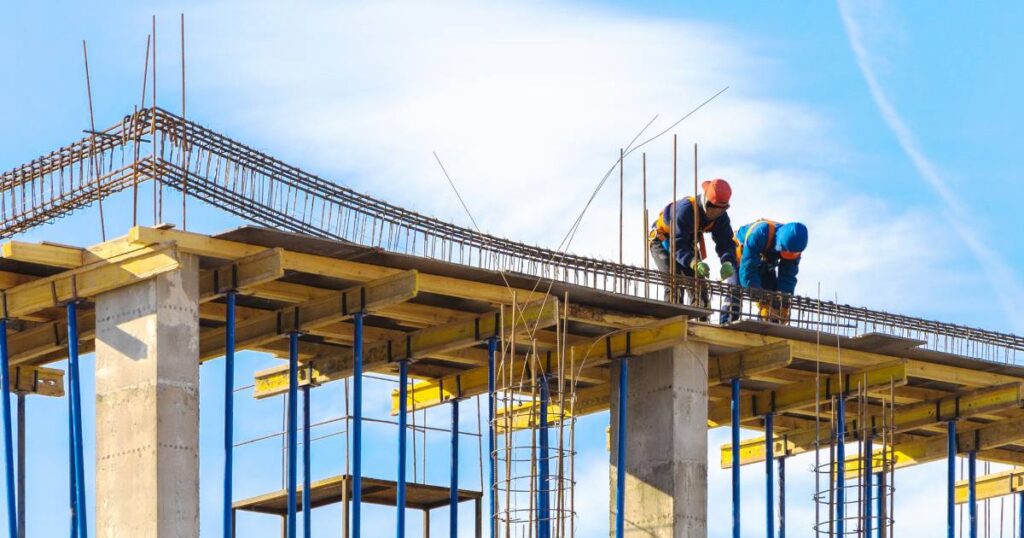
A comprehensive reo bar inspection checklist forms the backbone of effective maintenance programmes. You need to conduct routine visual inspections focusing on specific deterioration indicators that compromise structural integrity.
Key inspection points include:
- Concrete cracks that expose underlying reinforcement
- Rust spots or discolouration on visible steel surfaces
- Spalling concrete that indicates advanced corrosion
- Exposed reinforcement due to inadequate concrete cover
Rust prevention for rebar requires proactive cleaning methods when early signs of corrosion appear. Wire brushing effectively removes surface rust, followed by application of specialised rust inhibitors that create protective barriers against moisture penetration. You should address any exposed steel immediately to prevent accelerated deterioration.
During construction breaks, maintenance of reinforcing steel demands careful attention to environmental exposure. Store partially installed rebar systems away from groundwater contact and provide adequate drainage around exposed areas. Temporary protective coverings shield steel from direct moisture while maintaining proper ventilation.
Non-destructive testing methods offer sophisticated analysis without compromising concrete integrity. Ground-penetrating radar and ultrasonic testing detect internal weaknesses, corrosion patterns, and structural defects that visual inspections cannot identify.
Documentation practices ensure compliance verification and create maintenance histories for each structure. Record inspection dates, findings, corrective actions, and material specifications. This systematic approach enables you to track deterioration patterns and schedule preventive maintenance effectively, extending the service life of reinforced concrete structures.
Moreover, it’s crucial to understand the corrosion guidelines for rebar which can significantly aid in preventing long-term damage and ensuring the durability of your structures.
Which Material Selection Factors Affect Reo Bar Safety in Different Environments?
Choosing rebar types requires careful consideration of environmental conditions that directly impact structural safety and longevity. Your material selection strategy must align with specific exposure conditions to prevent premature failure and costly repairs.
Environmental Exposure Classifications
Marine and coastal environments demand the highest level of protection due to salt spray and chloride exposure. Epoxy-coated rebar provides excellent barrier protection against corrosion, whilst stainless steel reinforcement offers superior resistance in the most aggressive coastal conditions. These materials prevent chloride penetration that causes traditional steel to deteriorate rapidly.
Moderate exposure areas benefit from hot-dip galvanised rebar, which provides adequate protection at a more economical price point. This coating creates a sacrificial zinc layer that protects the underlying steel from atmospheric corrosion.
Long-Term Performance Benefits
Corrosion-resistant reinforcing bars significantly extend infrastructure lifespan by maintaining structural integrity over decades. Traditional uncoated steel can begin corroding within 10-15 years in aggressive environments, whilst properly selected corrosion-resistant materials can provide 50+ years of service life.
Critical Selection Factors
- Chloride exposure levels in marine environments
- Atmospheric conditions including humidity and industrial pollutants
- Ground conditions and potential for groundwater contact
- Design life requirements for the structure
- Budget constraints balanced against long-term maintenance costs
Your material choice directly influences structural performance, with inadequate selection leading to premature concrete cracking, spalling, and potential structural failure.
What Hazard Control Measures Should Be Implemented on Construction Sites Involving Reo Bars?
Construction site hazard control requires systematic implementation of protective measures specifically designed to address the unique risks posed by reinforcement bars. You need to establish clear protocols that protect workers from both immediate injuries and long-term safety hazards.
Designated Storage and Work Zones
Creating designated storage zones with physical barriers forms the foundation of effective reo bar injury prevention. You should implement:
- Physical barriers around storage areas using temporary fencing or concrete blocks
- Clear signage indicating “Authorised Personnel Only” and specific hazard warnings
- Designated pathways that route foot traffic away from reo bar handling areas
- Separate zones for different bar sizes and grades to prevent confusion
Protective Equipment for Exposed Ends
Mushroom-shaped protective caps on exposed reo bar ends represent one of the most critical safety measures you can implement. These caps prevent impalement injuries that can occur when workers fall or are pushed onto protruding bars. You should ensure caps remain securely attached during concrete pours and replace any that become damaged or displaced.
Risk Assessment and Inspection Protocols
Implementing a robust risk assessment strategy is crucial. Daily risk assessments focused specifically on reo bar hazards help you identify potential problems before they cause injuries. Your inspection checklist should include:
- Checking cap placement on all exposed ends
- Verifying secure storage arrangements
- Identifying potential trip hazards from loose bars
- Assessing lifting equipment condition
Worker Training and Emergency Preparedness
Comprehensive training programmes ensure your workers understand proper handling procedures and emergency response protocols. You need to provide specific instruction on manual lifting techniques, equipment operation, and immediate response procedures for reo bar-related injuries.

How Do Related Construction Materials Complement Reo Bar Safety Practices?
The durability of formwork plywood is crucial in ensuring that reo bars are positioned correctly during concrete pours. For standard residential projects, F14 grade plywood offers sufficient support, while F17 grade plywood is ideal for heavy-duty commercial jobs where there are significant loads on the reinforcement. The higher density and moisture resistance of F17 grade plywood prevents bending that could disrupt the alignment of the reo bars, making sure they stay in place as the concrete sets.
LVL formwork provides excellent strength improvement while also lowering overall construction costs when building reinforcement structures. Unlike traditional timber, LVL’s engineered design eliminates natural flaws, making it a dependable choice for intricate reo bar setups. This material’s greater ability to bear weight means that supports can be placed further apart, simplifying the formwork around reinforcement assemblies.
The safety advantages of chain shade mesh go beyond just protecting workers; they also help safeguard materials. By using mesh systems with 50% or 90% coverage, you can shield stored reo bars from being damaged by weather and establish clear work areas that align with your existing safety measures for handling reinforcement.
Related : How LVL Beams Are Used in Formwork and Construction